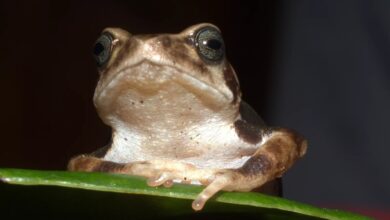
Researchers identified multiple new animal species in 2025, from ancient sea cows to deep-sea fish, expanding knowledge of Earth’s biodiversity and strengthening the case for protecting fragile ecosystems.
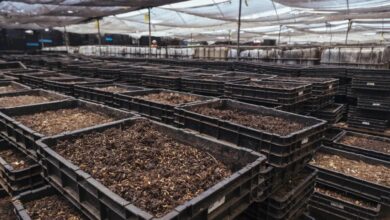
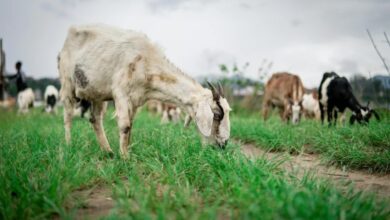
Kenya is showing how black soldier fly larvae can transform food waste into a highly efficient, low-impact protein source, opening the door to more sustainable nutrition for animals and potentially humans.
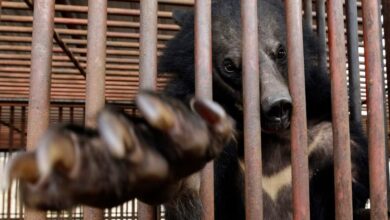
South Korea will end bear breeding and bile extraction from January 2026, formally closing a long-criticised industry and strengthening protections for captive wild animals.
Costa Rica has transformed a former cattle pasture into a thriving rainforest through decades of butterfly-led rewilding, bringing wildlife back to land that was once bare grass.
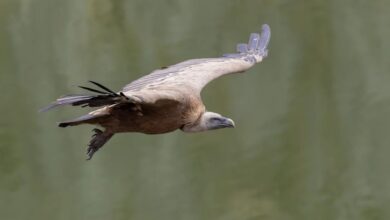
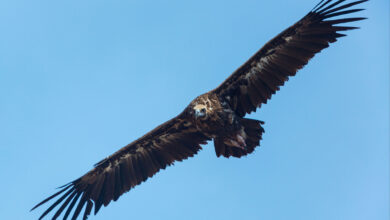
Romania is preparing to reintroduce vultures to the Carpathian Mountains, restoring a keystone species absent for a century and strengthening one of Europe’s most intact wilderness areas.
The United States has ended the use of live animals in combat medical training, replacing the practice with advanced simulators to prepare medics while preventing animal suffering.
Spain and Bulgaria have released new cinereous vultures into the wild, marking a major step in restoring one of Europe’s largest scavenging birds to landscapes where it vanished decades ago.
Thailand has recorded its first confirmed sightings of the endangered flat-headed cat in nearly 30 years, offering renewed hope for a species once thought lost nationally.
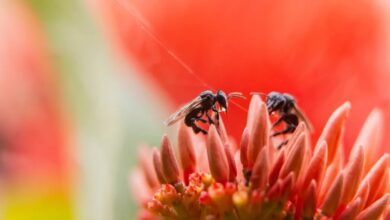
Peru has granted legal rights to native stingless bees, recognising their right to exist and thrive and marking the first time insects have received such protection anywhere.
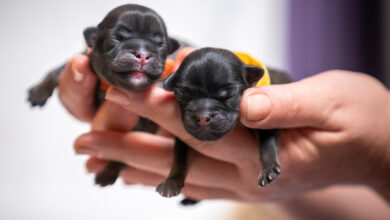
The European Union has agreed on its first unified rules to protect dogs and cats from abuse, unsafe breeding, and illegal trade, strengthening animal welfare across all member states.