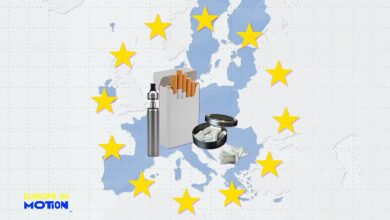
Daily tobacco and related nicotine product use declined in 17 European Union countries between 2022 and 2025, marking progress toward the bloc’s tobacco-free ambitions.
Bangladesh is planning a Tk 4,039 crore (approximately US$330 million) healthcare initiative to expand tuberculosis, HIV, and malaria treatment and prevention, aiming to save lives nationwide.
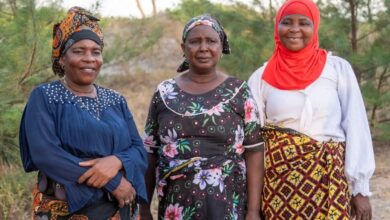
More than 300,000 people across Mozambique are building stronger livelihoods through a programme that combines income support, practical skills, and community projects to strengthen climate resilience.
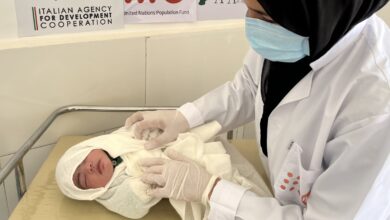
More than 450 community health clinics are bringing maternal and newborn care closer to women in remote areas, improving access to safer pregnancies and deliveries in Afghanistan.
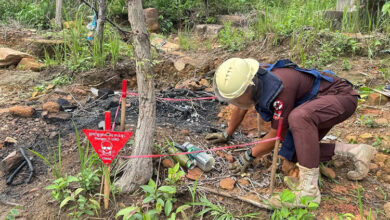
Demining teams cleared 75,132 hectares of contaminated land in six months, allowing communities in Cambodia to safely reclaim homes, schools and essential infrastructure.
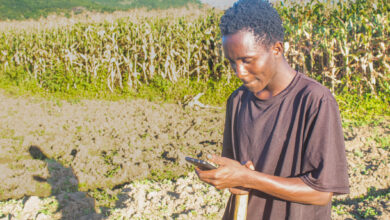
Malawi is introducing a digital ID wallet to simplify access to essential services, reduce administrative costs and advance its goal of universal legal identity.
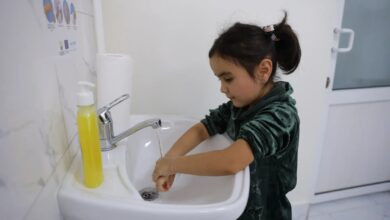
Improved access to clean water, sanitation and hygiene in healthcare facilities across Tajikistan is benefiting 1.8 million people, including nearly 900,000 children.
Average incomes have more than doubled since 1990 in nine African countries, accompanied by falling extreme poverty and child mortality rates.
Higher education enrolment in Zambia has nearly doubled, expanding opportunities for young people, particularly women and students from disadvantaged backgrounds.
New York Fashion Week is going fur-free, ending the promotion of animal fur across its official schedule and channels starting in September 2026.