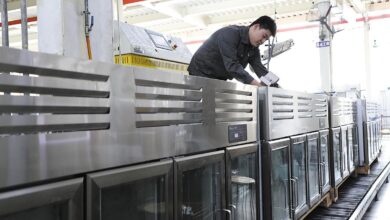
China has completed the phase-out of ozone-depleting hydrochlorofluorocarbons (HCFCs) in its solvent industry, marking a major step towards protecting the ozone layer.
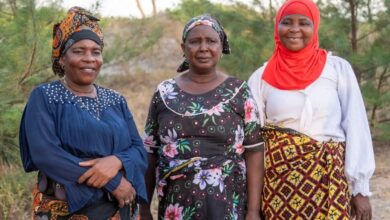
More than 300,000 people across Mozambique are building stronger livelihoods through a programme that combines income support, practical skills, and community projects to strengthen climate resilience.
After more than a decade of pollution controls, China’s air quality has reached its best recorded level, bringing major public health benefits.
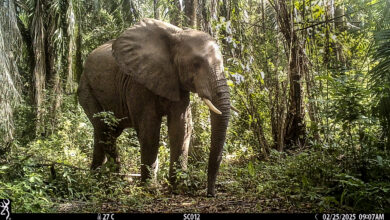
A restored and legally protected wildlife corridor is reconnecting habitats used by around 1,000 elephants while reducing conflict with farming communities in Tanzania.
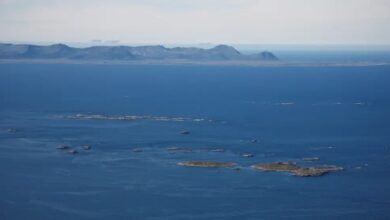
A new 1,848.5-square-kilometre marine protected area will safeguard coral reefs, kelp forests and important wildlife habitats for future generations in Norway.
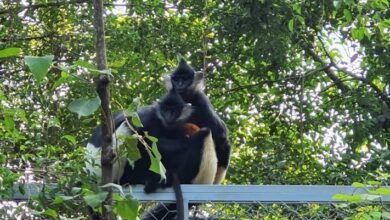
A new 3,182-hectare forest reserve will protect the critically endangered Delacour’s langur and its limestone habitat while supporting ecological restoration in Vietnam.
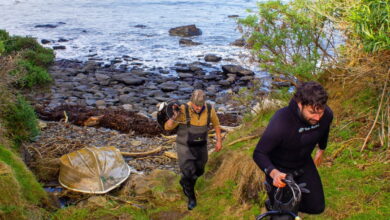
New Zealand has established five marine reserves under its first Indigenous-government co-management model, combining Māori guardianship with long-term protection of important marine ecosystems.
A conservation initiative inspired by the discovery of a rare bird has restored forests, protected endangered wildlife and created local employment opportunities across Ecuador.
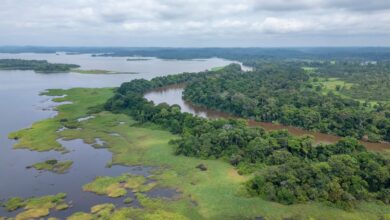
Gabon has launched a major conservation initiative aiming to mobilise up to $200 million over the next decade to protect biodiversity and improve rural livelihoods.
A major home electrification programme in the United States is providing low-income households with free energy-efficient appliances and upgrades, reducing emissions and improving living conditions.