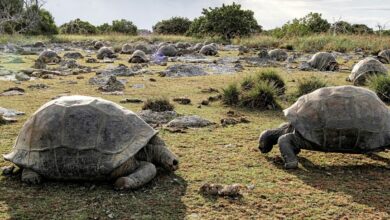
Decades of conservation efforts have helped the wild giant tortoise population on Aldabra Atoll in Seychelles recover to a record high of approximately 183,000.
New Zealand has officially banned commercial greyhound racing, marking a significant step towards protecting dogs from racing-related injuries, deaths and other welfare risks.
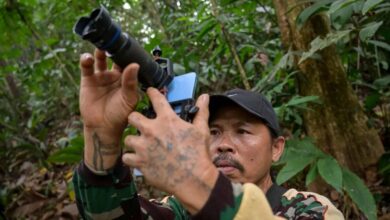
In Indonesia, a conservation programme is paying villagers to photograph wildlife instead of hunting it, creating new income while encouraging communities to protect animals and their habitats.
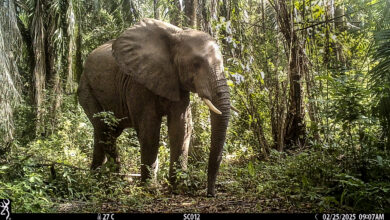
A restored and legally protected wildlife corridor is reconnecting habitats used by around 1,000 elephants while reducing conflict with farming communities in Tanzania.
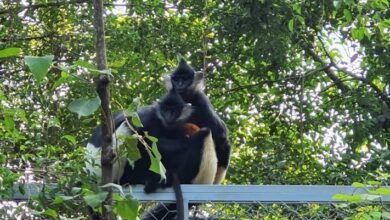
A new 3,182-hectare forest reserve will protect the critically endangered Delacour’s langur and its limestone habitat while supporting ecological restoration in Vietnam.
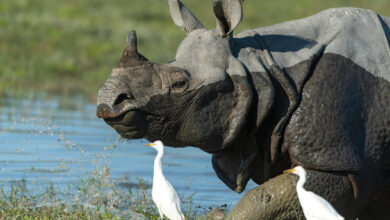
The global greater one-horned rhino population has reached 4,075, reflecting sustained conservation and stronger protection efforts in India and Nepal.
A conservation initiative inspired by the discovery of a rare bird has restored forests, protected endangered wildlife and created local employment opportunities across Ecuador.
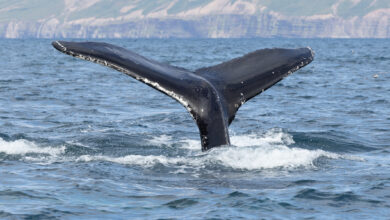
The government of Iceland has announced plans to introduce legislation that would permanently ban commercial whaling, marking a significant step toward protecting the country's whale populations.
More than 20,000 Chinook salmon have returned to the Klamath River in the United States, reclaiming historic spawning grounds just two years after four dams were removed.
New York Fashion Week is going fur-free, ending the promotion of animal fur across its official schedule and channels starting in September 2026.