Daily tobacco and related nicotine product use declined in 17 European Union countries between 2022 and 2025, marking progress toward the bloc’s tobacco-free ambitions.
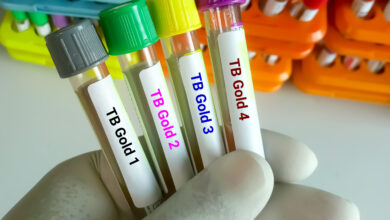
Bangladesh is planning a Tk 4,039 crore (approximately US$330 million) healthcare initiative to expand tuberculosis, HIV, and malaria treatment and prevention, aiming to save lives nationwide.
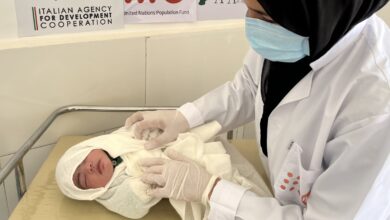
More than 450 community health clinics are bringing maternal and newborn care closer to women in remote areas, improving access to safer pregnancies and deliveries in Afghanistan.
Mammography screening is helping detect breast cancer earlier, alongside declining mortality rates and fewer advanced tumours across much of Europe.
Around 1,000 women a year with incurable HER2-low breast cancer can now access the life-extending drug Enhertu through the NHS in England.
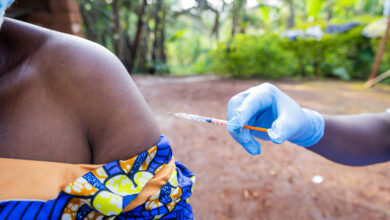
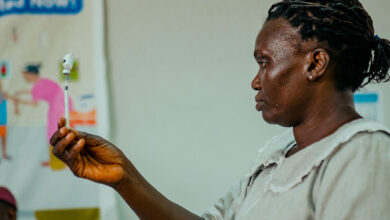
Global meningitis deaths have fallen by almost half since 2000, with vaccination and improved surveillance driving particularly strong progress among young children and across Africa.
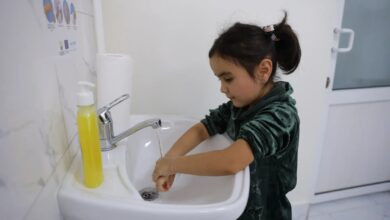
Improved access to clean water, sanitation and hygiene in healthcare facilities across Tajikistan is benefiting 1.8 million people, including nearly 900,000 children.
Falling traffic pollution has been linked to faster lung growth in children, with those previously lagging behind catching up within four years in the United Kingdom.
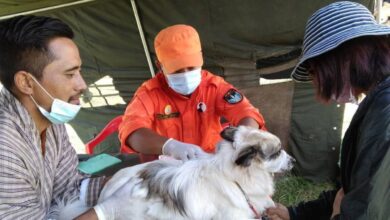
Bhutan has eliminated dog-transmitted human rabies as a public health problem, becoming the first country in its region to achieve the milestone.
A new global mpox vaccine stockpile will give countries faster and more equitable access to vaccines during outbreaks, strengthening preparedness worldwide.