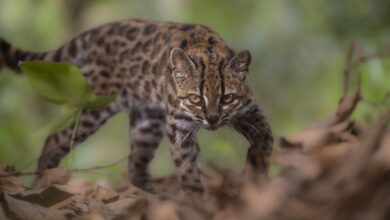
Scientists have identified the tilcayo as a previously unknown wild cat species, revealing hidden biodiversity in Bolivia's cloud forests.
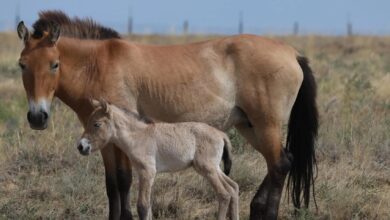
A Przewalski’s horse has been born on the steppe for the first time in 200 years, marking a milestone in restoring native wildlife in Kazakhstan.
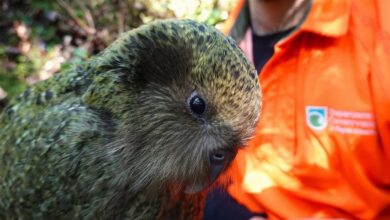
The critically endangered kākāpō population has reached 325 birds in New Zealand, its highest level in the recovery era and potentially in 75 years.
Community-led conservation has helped the critically threatened Niger Delta red colobus population roughly double from a low of about 200 in Nigeria.
Scientists discovered two rare hydrothermal vent fields in international Atlantic waters, revealing ecosystems that could deepen understanding of how life thrives without sunlight.
Young red kites from England are helping rebuild a population that nearly disappeared from Spain, repaying a conservation effort that helped restore the species in England.
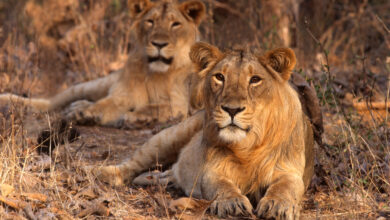
The Asiatic lion population has risen by more than 70% in a decade to 891 in India, continuing a remarkable recovery from near-extinction.
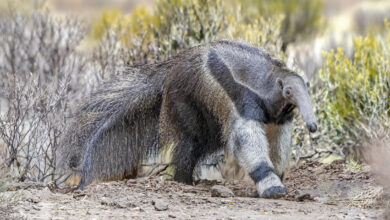
Giant anteaters are once again thriving in Argentina after a pioneering reintroduction programme restored the species to the Iberá Wetlands, bringing conservation, tourism and local communities long-term benefits.
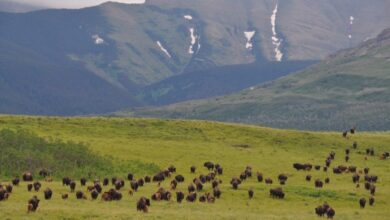
More than 5,000 wild-type bison are helping restore native prairie, boost biodiversity and strengthen long-term ecosystem recovery in Canada through a family-led rewilding project spanning more than three decades.
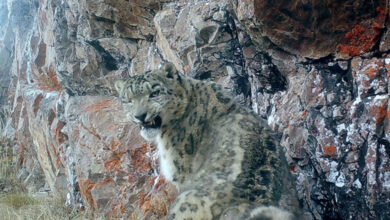
A climate-ready ecological corridor is helping snow leopards and other mountain wildlife move safely across changing landscapes in Kyrgyzstan, while supporting sustainable livelihoods for local herding communities.