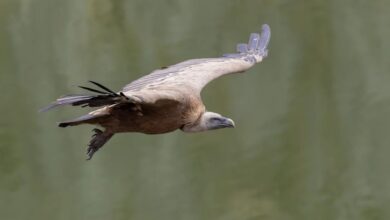
Romania is preparing to reintroduce vultures to the Carpathian Mountains, restoring a keystone species absent for a century and strengthening one of Europe’s most intact wilderness areas.
The United States has ended the use of live animals in combat medical training, replacing the practice with advanced simulators to prepare medics while preventing animal suffering.
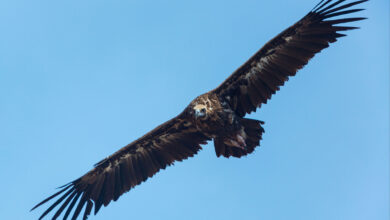
Spain and Bulgaria have released new cinereous vultures into the wild, marking a major step in restoring one of Europe’s largest scavenging birds to landscapes where it vanished decades ago.
Thailand has recorded its first confirmed sightings of the endangered flat-headed cat in nearly 30 years, offering renewed hope for a species once thought lost nationally.
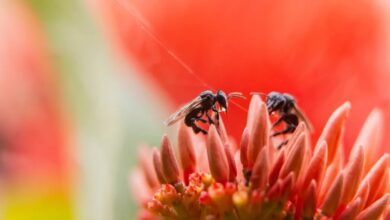
Peru has granted legal rights to native stingless bees, recognising their right to exist and thrive and marking the first time insects have received such protection anywhere.
The European Union has agreed on its first unified rules to protect dogs and cats from abuse, unsafe breeding, and illegal trade, strengthening animal welfare across all member states.
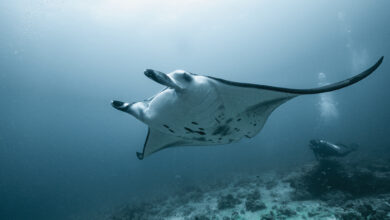
Member nations of CITES have unanimously granted the highest level of protection to all ten species of manta and devil rays, ending international commercial trade and marking a historic conservation milestone.
Puppies bred and trained in Wales are saving endangered wildlife across southern Africa, with specially trained dogs helping rangers track poachers and protect rhinos, elephants and other threatened species.
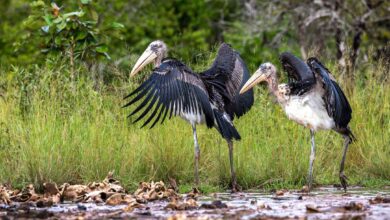
In Cambodia, two Greater Adjutant Storks bred in captivity have been released into the wild for the first time, marking a significant step forward for efforts to restore one of the world’s rarest stork species.
British conservationists have sent more than 120 UK-born red kite chicks to Spain, helping revive populations of the same species that once rescued them from extinction.