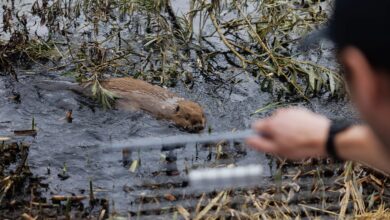
Reintroduced beavers are helping reduce flood risks and restore wetlands in the United Kingdom, offering a natural solution to the growing impacts of climate change.
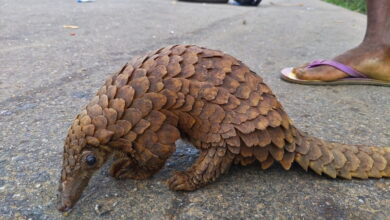
Nigeria is moving towards stronger wildlife protections with a new law designed to improve conservation efforts, tackle wildlife crime and strengthen safeguards for endangered species.
A large conservation reserve in South Africa is restoring native wildlife and increasing soil carbon storage through rewilding efforts designed to strengthen ecosystems and support long-term climate resilience.
The European Union has approved its first common rules to improve the welfare, traceability, and protection of cats and dogs across member states.
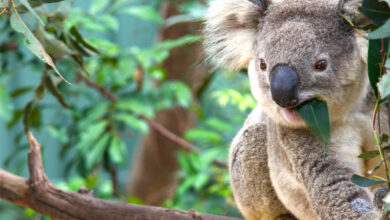
Australia has created a vast new national park designed to reconnect fragmented forests and protect koalas, along with dozens of other threatened species.
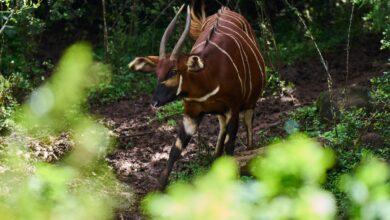
Conservationists in Kenya are successfully reintroducing critically endangered mountain bongos into the wild, raising hopes for the recovery of one of Africa’s rarest antelopes.
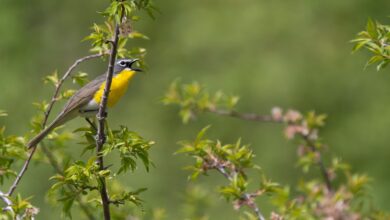
Restoration projects planting native trees in the Colorado River Delta are helping breeding bird populations recover across degraded floodplains in Mexico.
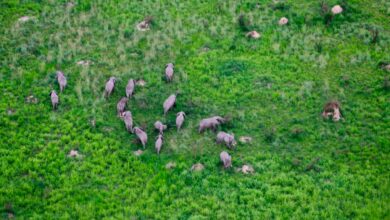
The Democratic Republic of the Congo is seeing hundreds of elephants return to Virunga National Park, restoring grasslands and helping wildlife reappear after decades of decline.
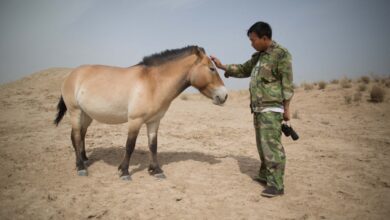
China has restored Przewalski’s horses from extinction in the wild to a population of over 900, establishing self-sustaining herds and reviving a key symbol of biodiversity recovery.
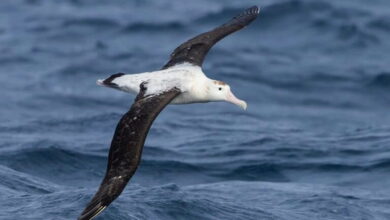
Brazil has led a global agreement to map marine flyways used by seabirds, creating a new framework to protect ocean biodiversity and guide international conservation efforts.