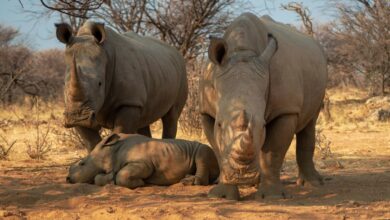
Uganda reintroduced rhinos to Kidepo Valley National Park in 2026, marking the first reintroduction in over 40 years and restoring a species once lost to poaching and conflict.
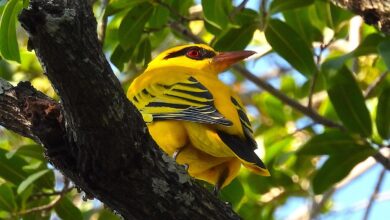
Five southern African nations have launched the continent’s first transboundary birding route, connecting vast ecosystems into a single tourism experience that supports conservation and local livelihoods.
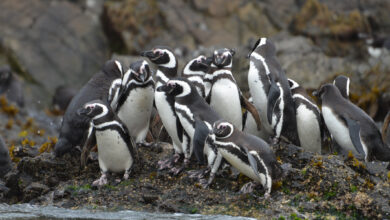
Chile has permanently rejected a major mining and port project, protecting a globally significant marine reserve that is home to most of the world’s Humboldt penguins.
In the United States and Canada, river otters have returned to the Great Lakes region after decades of absence, signalling cleaner waterways and recovering ecosystems.
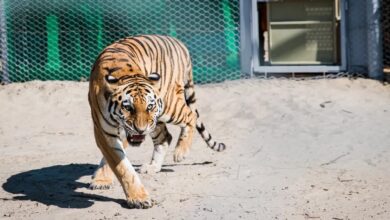
Kazakhstan is restoring tiger habitat by planting tens of thousands of trees as part of an effort to reintroduce wild tigers to landscapes where they disappeared more than 70 years ago.
Seychelles has recorded the first successful coral spawning at a new land-based breeding laboratory, producing thousands of juvenile corals to strengthen reef restoration in the Indian Ocean.
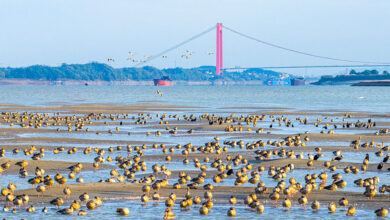
China’s 10-year fishing ban in the Yangtze River is already showing promising results, halting decades of biodiversity decline and allowing fish populations to begin recovering.
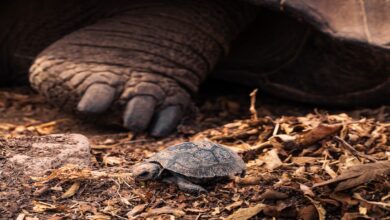
Giant tortoises have returned to Floreana Island in Ecuador after 180 years, marking a major step in restoring one of the Galápagos’ most heavily altered ecosystems.
India’s coastal fishers in Kerala are increasingly rescuing endangered whale sharks caught in nets, helping one of the ocean’s largest and gentlest species survive along the Arabian Sea coast.
South Africa has recorded a 16% drop in rhino poaching in 2025, reflecting progress in conservation efforts despite continued regional challenges and pressure from wildlife trafficking networks.