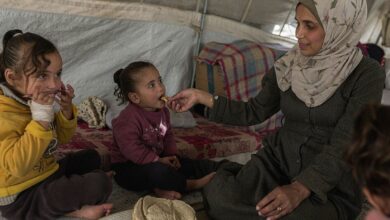
Basic food requirements are being fully met in Gaza for the first time since 2023, marking a critical improvement in humanitarian access and nutrition.
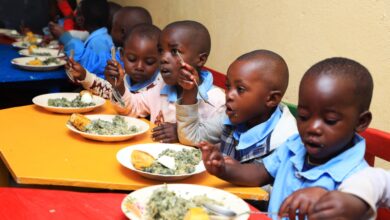
Child stunting declined in Rwanda from 33% to 27% between 2020 and 2025, marking sustained progress in child nutrition and early health outcomes nationwide.
Brazil has eliminated mother-to-child transmission of HIV, becoming the largest country in the world to reach this milestone and ensuring babies are born free of the virus.
Grenada has raised the legal marriage age to 18 without exceptions, closing all legal pathways that previously allowed children to marry.
Homicides fell to a record low in the UK capital in 2025, with killings dropping to their lowest level per person since records began after a sustained crackdown on serious violence.
Germany has approved a new early-start pension scheme that opens state-funded retirement investment accounts for children aged six to 18, giving them a financial foundation decades before adulthood.
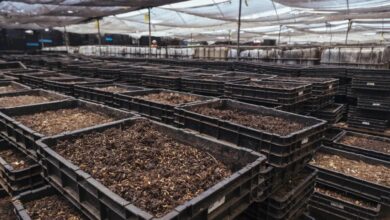
Kenya is showing how black soldier fly larvae can transform food waste into a highly efficient, low-impact protein source, opening the door to more sustainable nutrition for animals and potentially humans.
After decades of conflict and instability, Iraq has made striking progress toward peace, stability and development, with falling poverty, stronger institutions and millions of displaced people returning home.
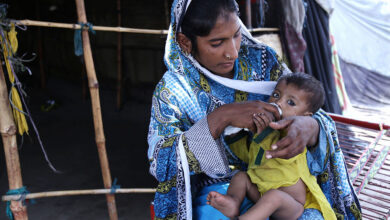
Child stunting has declined in Pakistan after five years of targeted nutrition support, improving early-life health for millions of children and mothers nationwide.
Ukraine is using restored wild landscapes to support healing and resilience, as conservation projects now help soldiers and families recover from the psychological toll of war.