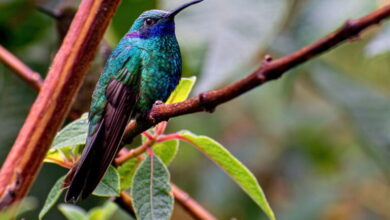
Colombia has created a major new protected area to conserve endangered species, safeguard water supplies, and strengthen ecological connections across important mountain ecosystems.
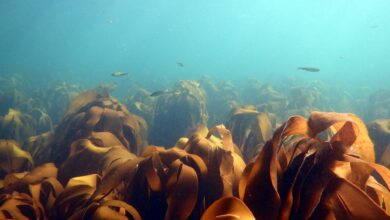
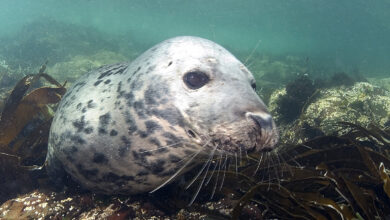
England has introduced new protections for a large section of the Sussex coastline, banning bottom trawling in vulnerable marine habitats to help restore biodiversity and protect threatened species.
A large conservation reserve in South Africa is restoring native wildlife and increasing soil carbon storage through rewilding efforts designed to strengthen ecosystems and support long-term climate resilience.
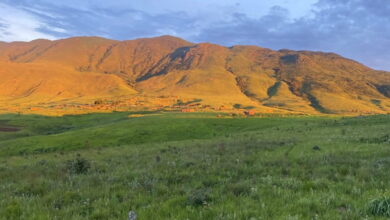
Angola has created a new conservation area around its highest mountain to protect rare Afromontane forests and threatened wildlife found nowhere else in the world.
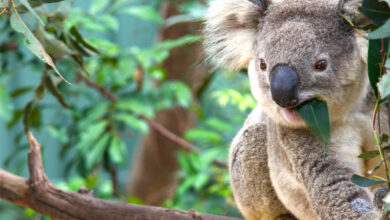
Australia has created a vast new national park designed to reconnect fragmented forests and protect koalas, along with dozens of other threatened species.
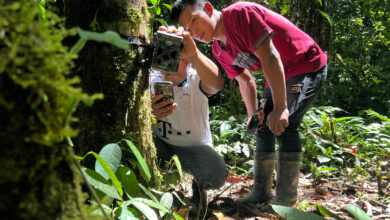
Ecuador’s Indigenous Shuar community is using science and ancestral knowledge to protect biodiverse Amazon forests from mining and strengthen legal safeguards for nature.
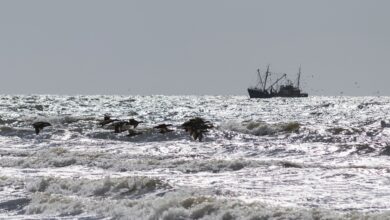
A Dutch court has ruled that bottom trawling in the protected Dogger Bank area must undergo environmental assessment before permits can be granted, strengthening marine conservation in the Netherlands.
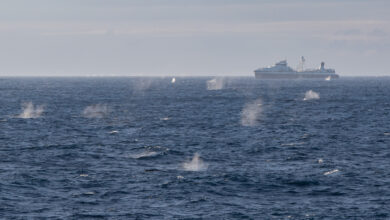
dm-drogerie markt, German drugstore retailer and Europe’s largest, has removed all krill-based products, marking a significant shift toward more sustainable consumer choices.
The United Kingdom is seeing early marine recovery as a trawling ban off the Sussex coast helps seabed habitats regenerate and fish populations begin to return.
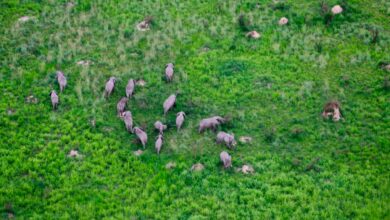
The Democratic Republic of the Congo is seeing hundreds of elephants return to Virunga National Park, restoring grasslands and helping wildlife reappear after decades of decline.