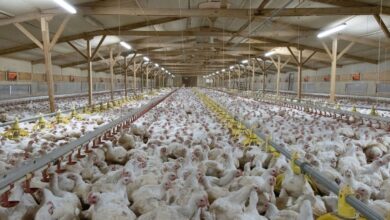
Norway will fully phase out fast-growing chicken breeds by 2027, becoming the first country to eliminate birds linked to severe welfare problems in industrial poultry farming.
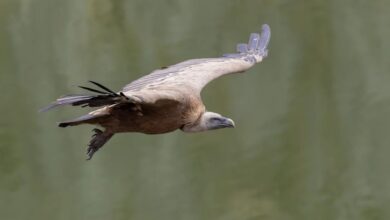
Romania is preparing to reintroduce vultures to the Carpathian Mountains, restoring a keystone species absent for a century and strengthening one of Europe’s most intact wilderness areas.
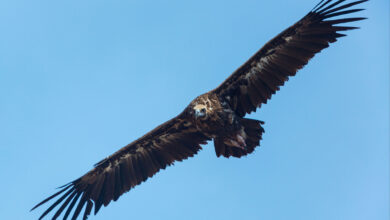
Spain and Bulgaria have released new cinereous vultures into the wild, marking a major step in restoring one of Europe’s largest scavenging birds to landscapes where it vanished decades ago.
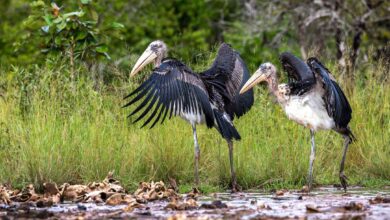
In Cambodia, two Greater Adjutant Storks bred in captivity have been released into the wild for the first time, marking a significant step forward for efforts to restore one of the world’s rarest stork species.
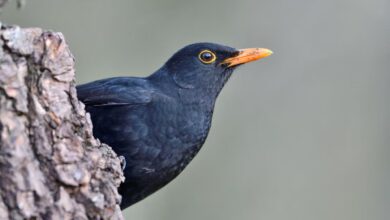
France’s insect-eating birds are showing the first signs of recovery after the 2018 ban on bee-harming pesticides, offering rare evidence that nature can rebound when given a chance.
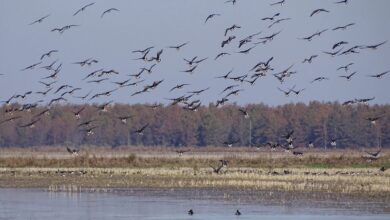
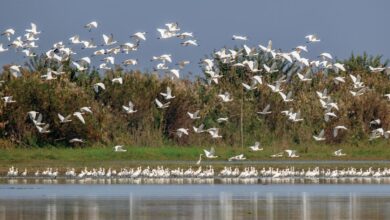
Rice farmers in the United States are turning their fields into seasonal wetlands, helping millions of migratory birds thrive while naturally fertilising their soil and improving harvests.
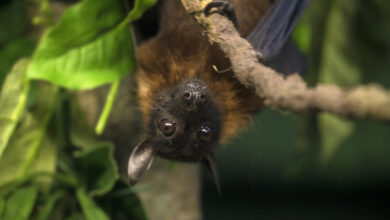
In Tanzania, scientists have discovered that fruit bats navigate the open skies using a powerful internal compass that stays accurate even when the moon and stars are hidden.
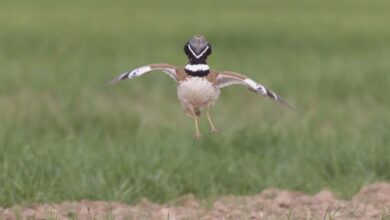
In Kyrgyzstan, the Little Bustard, a pheasant-sized grassland bird once declared extinct nationally, is now making a comeback, with hundreds of breeding pairs documented in key valleys.
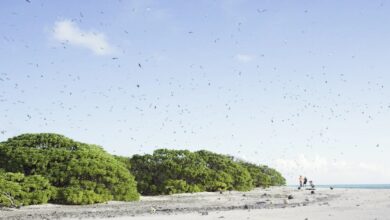
In the Marshall Islands, two remote Pacific islands — Bikar Atoll and Jemo Islet — have been restored to thriving natural sanctuaries after a year-long rat eradication program.
China is launching a nationwide three-year effort to strengthen bird protection — targeting illegal poaching, habitat loss, and public awareness to safeguard one of the world’s richest bird diversities.