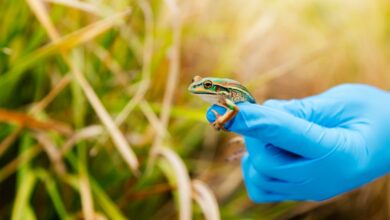
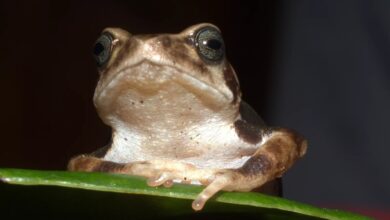
Australia reintroduced endangered green and golden bell frogs to the wild, restoring the species to the Australian Capital Territory nearly 50 years after local extinction.
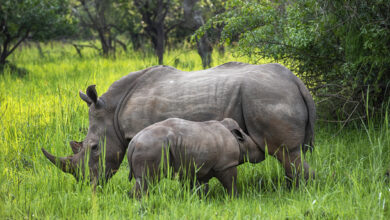
White rhinos were reintroduced to the Ajai Wildlife Reserve in 2026, restoring a locally extinct species in Uganda and strengthening biodiversity recovery, while creating new opportunities for sustainable ecotourism.
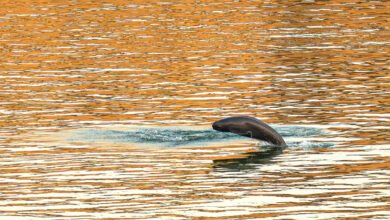
China’s Yangtze finless porpoise population has risen to 1,426 in 2025, showing ecosystem recovery following a decade-long fishing ban and conservation efforts.
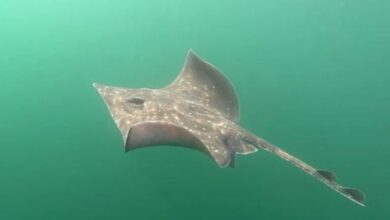
Scotland has recorded early recovery of critically endangered flapper skate populations, with growing sightings reported between 2022 and 2026 after long-term conservation protections.
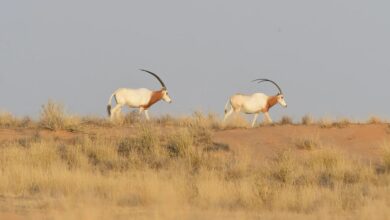
The scimitar-horned oryx has been restored to the wild in Chad after decades of extinction, offering new hope for ecosystems on the edge of the Sahara Desert.
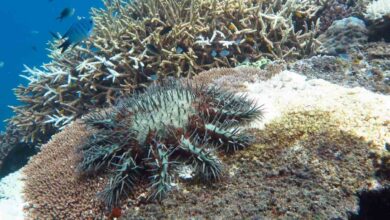
Targeted protection of large predatory fish has prevented a major ecological tipping point on Australia’s Great Barrier Reef, stopping runaway outbreaks of coral-eating crown-of-thorns starfish.
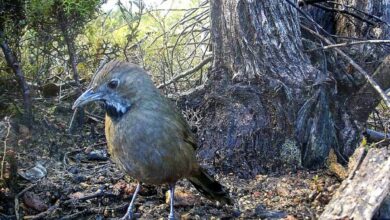
Endangered animal populations on Australia’s Kangaroo Island have rebounded by up to 100% after a predator-proof fence created a safe refuge following devastating bushfires.
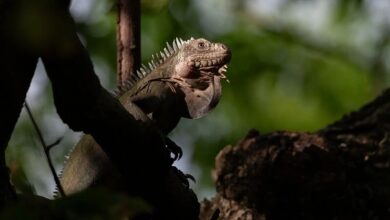
Critically endangered Lesser Antillean iguanas are now thriving on a small island near Anguilla after a cross-Caribbean conservation effort successfully rebuilt a healthy breeding population.
Researchers identified multiple new animal species in 2025, from ancient sea cows to deep-sea fish, expanding knowledge of Earth’s biodiversity and strengthening the case for protecting fragile ecosystems.
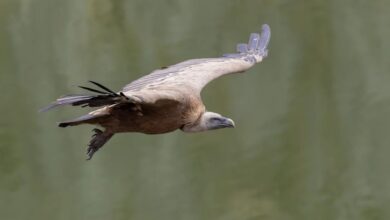
Romania is preparing to reintroduce vultures to the Carpathian Mountains, restoring a keystone species absent for a century and strengthening one of Europe’s most intact wilderness areas.