In California's San Diego, United States, long-term water planning has created such strong reserves that authorities are now selling surplus supplies to support regions facing shortages.
In Italy, a court ruling over the illegal trafficking of rare cacti has set a new precedent by recognising environmental damage as a harm that can be compensated in court.
The United Kingdom is seeing early marine recovery as a trawling ban off the Sussex coast helps seabed habitats regenerate and fish populations begin to return.
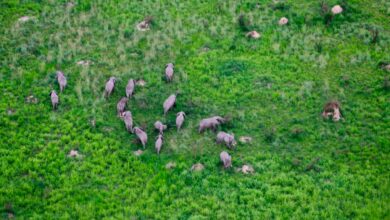
The Democratic Republic of the Congo is seeing hundreds of elephants return to Virunga National Park, restoring grasslands and helping wildlife reappear after decades of decline.
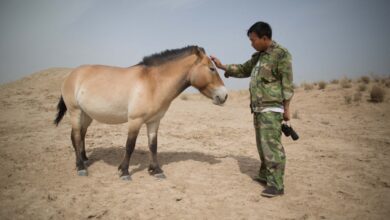
China has restored Przewalski’s horses from extinction in the wild to a population of over 900, establishing self-sustaining herds and reviving a key symbol of biodiversity recovery.
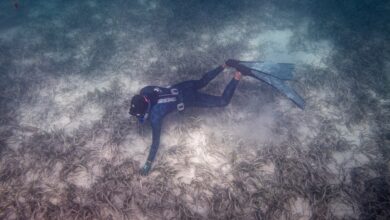
Australia is restoring the world’s largest plant in Shark Bay through an Indigenous-led project that rebuilds seagrass ecosystems while strengthening climate resilience and local livelihoods.
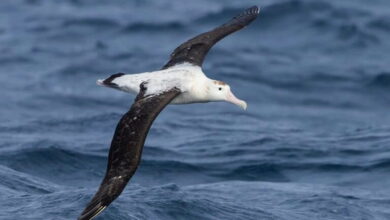
Brazil has led a global agreement to map marine flyways used by seabirds, creating a new framework to protect ocean biodiversity and guide international conservation efforts.
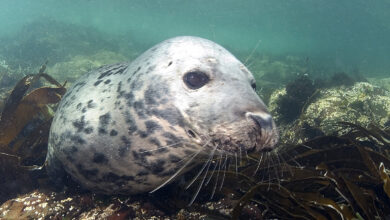
A U.S. appeals court has reinstated protections for nearly 160 million acres of Arctic waters, securing critical habitat for bearded and ringed seals off Alaska’s coast.
Nightjar populations in England’s South Downs National Park have doubled over the past five years, marking a rare and encouraging wildlife recovery for one of Britain’s most elusive birds.
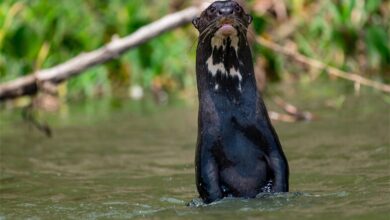
Brazil has secured new global protections for the giant otter and striped hyena, with governments agreeing at a UN summit to strengthen international conservation efforts across borders.