Targeted protection of large predatory fish has prevented a major ecological tipping point on Australia’s Great Barrier Reef, stopping runaway outbreaks of coral-eating crown-of-thorns starfish.
Endangered animal populations on Australia’s Kangaroo Island have rebounded by up to 100% after a predator-proof fence created a safe refuge following devastating bushfires.
Critically endangered Lesser Antillean iguanas are now thriving on a small island near Anguilla after a cross-Caribbean conservation effort successfully rebuilt a healthy breeding population.
Researchers identified multiple new animal species in 2025, from ancient sea cows to deep-sea fish, expanding knowledge of Earth’s biodiversity and strengthening the case for protecting fragile ecosystems.
Romania is preparing to reintroduce vultures to the Carpathian Mountains, restoring a keystone species absent for a century and strengthening one of Europe’s most intact wilderness areas.
Ukraine is using restored wild landscapes to support healing and resilience, as conservation projects now help soldiers and families recover from the psychological toll of war.
Spain and Bulgaria have released new cinereous vultures into the wild, marking a major step in restoring one of Europe’s largest scavenging birds to landscapes where it vanished decades ago.
Thailand has recorded its first confirmed sightings of the endangered flat-headed cat in nearly 30 years, offering renewed hope for a species once thought lost nationally.
A growing coalition of landowners, communities, and conservationists in Scotland is expanding rewilding across the Affric Highlands, with Glen Affric National Nature Reserve joining as the 20th official partner.
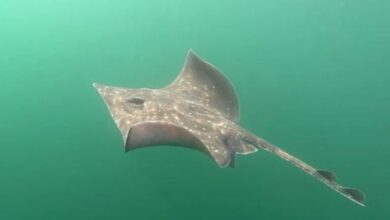
Member nations of CITES have unanimously granted the highest level of protection to all ten species of manta and devil rays, ending international commercial trade and marking a historic conservation milestone.