Member nations of CITES have unanimously granted the highest level of protection to all ten species of manta and devil rays, ending international commercial trade and marking a historic conservation milestone.
Puppies bred and trained in Wales are saving endangered wildlife across southern Africa, with specially trained dogs helping rangers track poachers and protect rhinos, elephants and other threatened species.
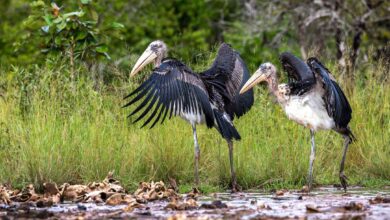
In Cambodia, two Greater Adjutant Storks bred in captivity have been released into the wild for the first time, marking a significant step forward for efforts to restore one of the world’s rarest stork species.
A historic vote has cleared the way for the creation of the Macaronesia Sanctuary, a major transnational marine protected area across the waters of Spain, Portugal and Cape Verde.
In eastern China’s Yancheng wetlands, a species once declared extinct in the wild is thriving again—marking one of conservation’s most extraordinary turnarounds.
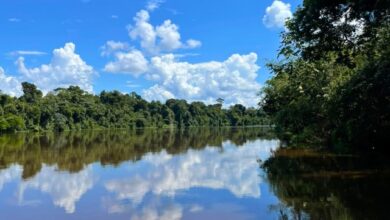
A significant conservation milestone has been reached with the creation of the Río Negro Protected Area, officially established by the Municipality of Nueva Esperanza in northern Bolivia.
A vast new protected area in the Peruvian Amazon will help safeguard more than half of the region’s carbon reserves while strengthening Indigenous stewardship.
A groundbreaking commitment from Suriname promises lasting protection for 90% of its tropical forests, setting one of the most ambitious global conservation benchmarks yet.
In Nepal, a new national park has been established to safeguard ecosystems and bring conservation closer to the people who live alongside wildlife.
In Zunyi, China, the Chishui River — the only major Yangtze tributary with no dam along its main course — is flowing freely again after years of dedicated restoration.