Brazil has eliminated mother-to-child transmission of HIV, becoming the largest country in the world to reach this milestone and ensuring babies are born free of the virus.
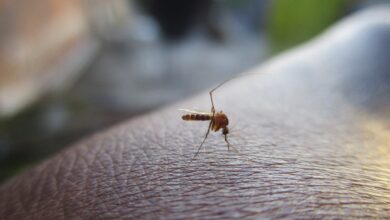
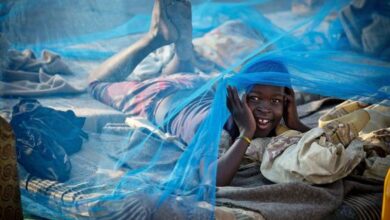
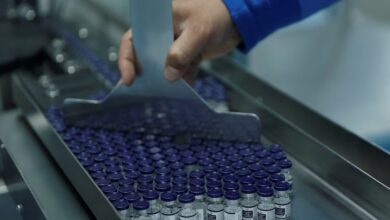
A new malaria vaccine from India will lower supply costs, enabling wider immunisation of children across low-income countries from 2026.
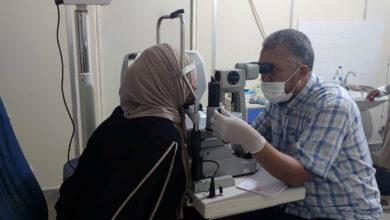
For the first time since global tracking began, fewer than 100 million people worldwide now require interventions against trachoma, the leading infectious cause of blindness.
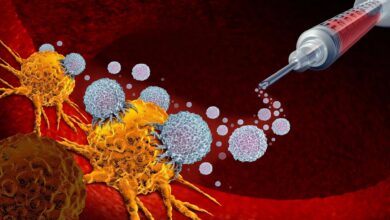
In the UK, a breakthrough “living drug” has been given to an NHS patient with aggressive leukaemia, opening access to a powerful personalised therapy that can deliver long-term remission and potential cures.
Angola has begun a nationwide vaccination campaign to protect more than two million girls aged nine to 12 from cervical cancer by rolling out free, single-dose HPV vaccines across the country.
In the United States, new health guidance will allow millions of adults to screen for cervical cancer at home using self-collected HPV tests, with private insurance required to cover the cost from 2027.
Cabo Verde, Mauritius, and Seychelles have eliminated measles and rubella after achieving high vaccination coverage and stopping local transmission for more than 3 years.
Scientists in the United States have shown that damaged cells can be re-energised by boosting their mitochondria, offering a promising new route to treat ageing and degenerative diseases.
In the United Kingdom, scientists have used artificial intelligence to predict the 3D structures of more than 200 million proteins, transforming biological research worldwide.
AI-powered X-ray screening is transforming the fight against tuberculosis, enabling faster diagnosis in more than 80 low- and middle-income countries where radiologists are scarce.