Lao PDR is moving closer to eliminating schistosomiasis, with infection rates reduced to below 1 per cent in high-risk areas and thousands of people gaining protection from the disease.
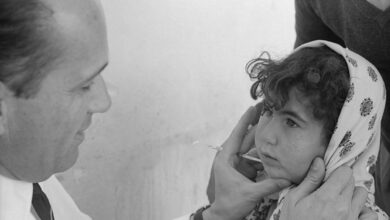
Tunisia has been validated by the World Health Organization as having eliminated trachoma as a public health problem, marking a major achievement in the fight against preventable blindness.
The Gambia has recorded a 46% decline in malaria cases in a single year, reflecting significant progress in disease prevention and control efforts nationwide.
A new cancer jab has produced strong responses in patients with advanced head and neck cancer in the United Kingdom, offering hope to people whose disease had stopped responding to existing treatments.
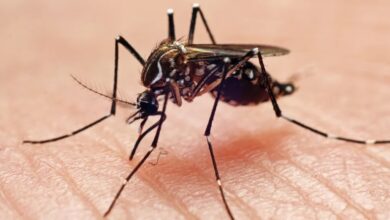
A proposed programme could help reduce mosquito-borne diseases in the United States by releasing sterilised male mosquitoes to suppress populations of the invasive Aedes aegypti species.
A genomic test could help many people with breast cancer avoid chemotherapy while achieving the same outcomes, marking a major advance in personalised treatment in the United Kingdom.
A new philanthropic fund is investing USD 140 million to accelerate the development of vaccines against Strep A, a disease responsible for hundreds of thousands of deaths each year worldwide.
In Burkina Faso, malaria cases and deaths have dropped sharply following the rollout of a new vaccine, offering families renewed protection against one of the country’s most persistent diseases.
In Algeria, trachoma—the world’s leading infectious cause of blindness—has been eliminated as a public health problem after decades of sustained national effort.
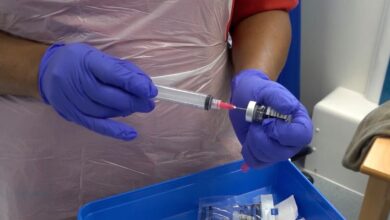
England is introducing a new injectable cancer immunotherapy that delivers treatment in minutes, improving patient experience while freeing up hospital capacity.