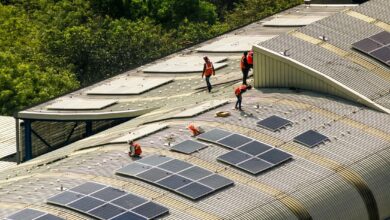
Global coal exports declined in 2025 for the first time since 2020, marking a significant shift as major Asian economies reduced coal use in power generation.
Australia has passed sweeping reforms to its environment laws, introducing the nation’s first independent regulator and stronger safeguards for forests, wildlife, and water.
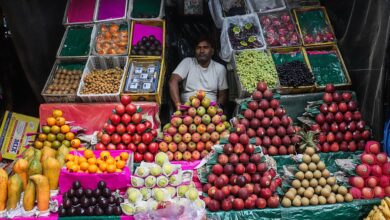
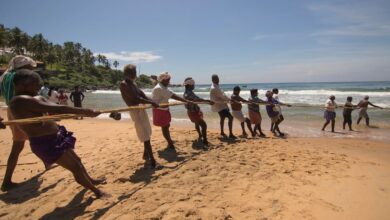
India’s Kerala state, home to 34 million people, has virtually eliminated extreme poverty by combining strong public services, targeted safety nets, and community-driven monitoring.
In Spain, rewilding is transforming the Iberian Highlands, helping rural communities recover from depopulation by creating jobs, restoring nature and building a greener local economy.
In Albania, steady economic growth has helped reduce poverty and boost employment, setting the stage for greater social progress.
The Islamic Development Bank (IsDB) has affirmed its major role in financing inclusive development and poverty reduction in Uzbekistan — supporting projects that bring jobs, infrastructure, and growth to underserved communities.
The Northeast region of Brazil has accounted for over one-third of the country’s recent reduction in poverty — a powerful sign that social policies are reaching the people who need them most.
For the first time in over ten years, no African country is in sovereign debt distress — a hopeful shift for the continent’s financial future.
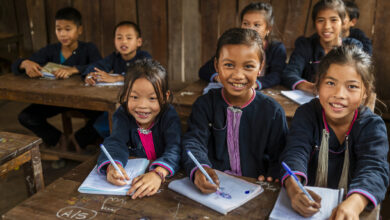
Thailand will now grant legal work rights to many long-stay Myanmar refugees living in camps — a change that promises more dignity, opportunity, and self-reliance.
In just over 50 years, Bangladesh has become an “economic miracle,” with steady economic growth and major investments in public health that are expected to end the country’s need for vaccine support by 2030.