Global inequality has fallen sharply since 2000, as faster growth in lower-income countries has narrowed the gap in living standards worldwide.
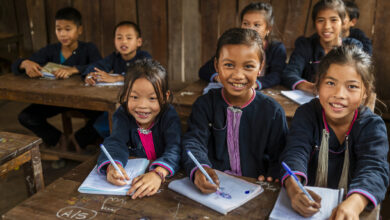
Laos has been recommended to graduate from Least Developed Country status in 2026, marking a major step towards economic stability, global integration and rising living standards.
Mexico reached a historic turning point in 2024 as the number of people in the middle class exceeded those living in poverty for the first time on record.
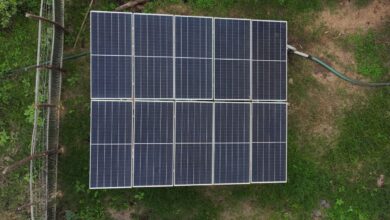
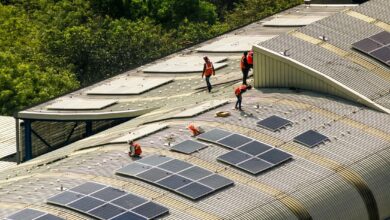
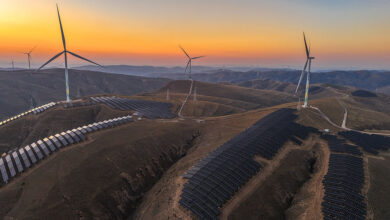
India is building its economic growth on cheap solar power and electrification, leapfrogging the fossil-fuel-heavy path taken by China and Western economies.
Between 2015 and 2023, economies representing 92% of global GDP grew while cutting or slowing carbon emissions, showing climate progress is increasingly compatible with prosperity.
Global coal exports declined in 2025 for the first time since 2020, marking a significant shift as major Asian economies reduced coal use in power generation.
Australia has passed sweeping reforms to its environment laws, introducing the nation’s first independent regulator and stronger safeguards for forests, wildlife, and water.
India’s Kerala state, home to 34 million people, has virtually eliminated extreme poverty by combining strong public services, targeted safety nets, and community-driven monitoring.
In Spain, rewilding is transforming the Iberian Highlands, helping rural communities recover from depopulation by creating jobs, restoring nature and building a greener local economy.
In Albania, steady economic growth has helped reduce poverty and boost employment, setting the stage for greater social progress.