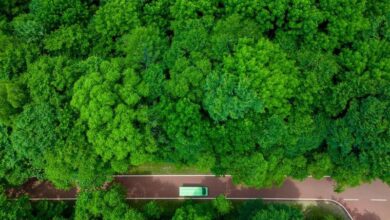
More than 10 million hectares of desertified land have been restored, helping ecosystems recover, strengthen climate resilience and support sustainable livelihoods across China.
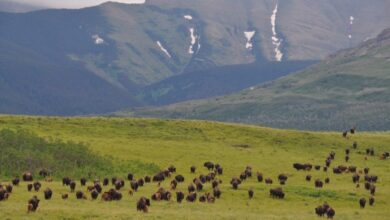
More than 5,000 wild-type bison are helping restore native prairie, boost biodiversity and strengthen long-term ecosystem recovery in Canada through a family-led rewilding project spanning more than three decades.
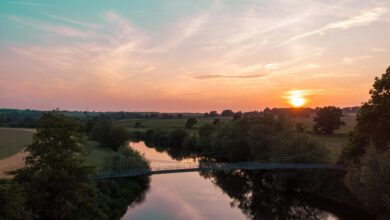
The River Wye has become the first river in the United Kingdom to receive cross-border legal recognition of its rights, strengthening protection for its health, biodiversity and long-term restoration.
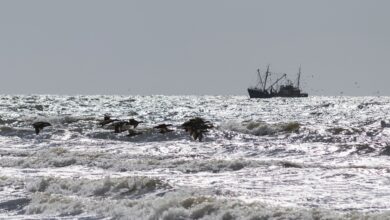
A Dutch court has ruled that bottom trawling in the protected Dogger Bank area must undergo environmental assessment before permits can be granted, strengthening marine conservation in the Netherlands.
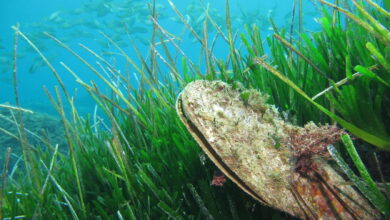
France has restored marine ecosystems off Marseille by reducing pollution, allowing vital seagrass meadows to recover naturally and strengthen biodiversity and carbon storage.
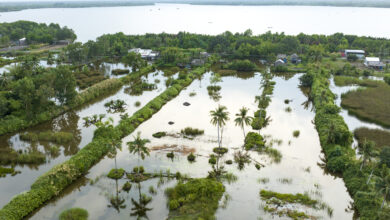
Vietnam is restoring large areas of wetlands in the Mekong Delta, boosting climate resilience, protecting biodiversity and creating safer, more sustainable livelihoods and tourism opportunities.
São Tomé and Príncipe is rewarding thousands of villagers with direct payments for protecting forests, creating a new model that links livelihoods with conservation.
Seychelles has recorded the first successful coral spawning at a new land-based breeding laboratory, producing thousands of juvenile corals to strengthen reef restoration in the Indian Ocean.
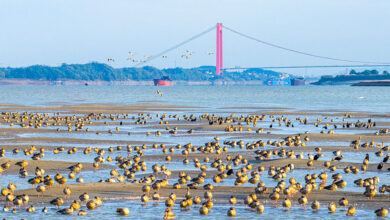
China’s 10-year fishing ban in the Yangtze River is already showing promising results, halting decades of biodiversity decline and allowing fish populations to begin recovering.
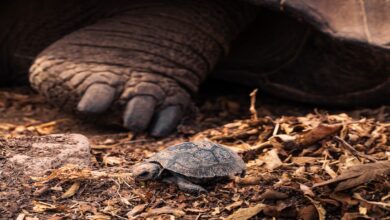
Giant tortoises have returned to Floreana Island in Ecuador after 180 years, marking a major step in restoring one of the Galápagos’ most heavily altered ecosystems.