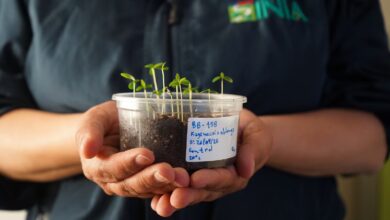
In Chile, a remote seed bank in the Atacama Desert is preserving thousands of plant species, protecting vital genetic diversity to support ecosystems and agriculture in a changing climate.
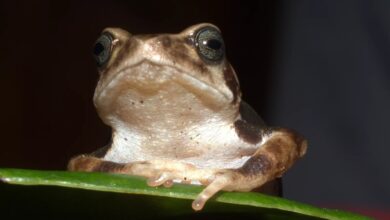
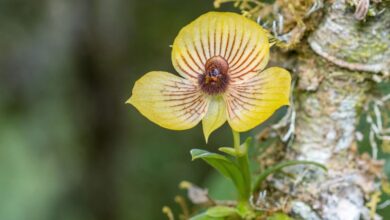
Researchers identified multiple new animal species in 2025, from ancient sea cows to deep-sea fish, expanding knowledge of Earth’s biodiversity and strengthening the case for protecting fragile ecosystems.
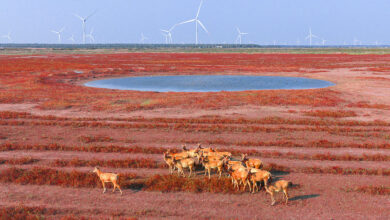
In eastern China’s Yancheng wetlands, a species once declared extinct in the wild is thriving again—marking one of conservation’s most extraordinary turnarounds.
In Nepal, a new national park has been established to safeguard ecosystems and bring conservation closer to the people who live alongside wildlife.
A new World Bank initiative will help protect coastal ecosystems and offer fresh livelihood opportunities to communities in Tamil Nadu and Karnataka, India, a move that strengthens resilience and economic inclusion.
Peru has designated the San Pedro de Chonta Regional Conservation Area in Huánuco, protecting over 128,000 acres of fragile ecosystems and securing water for nearly 42,000 people downstream.
In western Thailand, a prey release program has greatly helped the recovery of the endangered wild tigers' population, increasing the number of big cats almost fivefold over the last 15 years.
The European beaver is once again on Portuguese territory, as there has been undeniable proof of the rodent’s return after five hundred years of absence, a positive and significant step in the aquatic rewilding of rivers and watercourses.
A new flamingo conservation reserve has been established across over 30 acres of a lake in Mumbai, India.
India's Gujarat state is seeing an increase in its lion population following extensive conservation efforts.