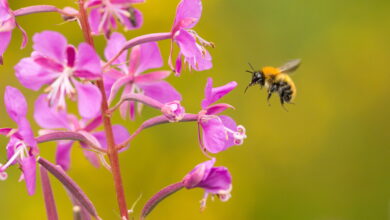
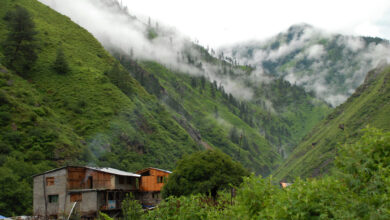
Scotland saw major biodiversity gains as rewilding efforts rapidly restored habitats, boosting wildlife populations and strengthening ecosystem resilience.
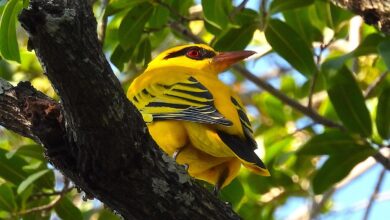
Five southern African nations have launched the continent’s first transboundary birding route, connecting vast ecosystems into a single tourism experience that supports conservation and local livelihoods.
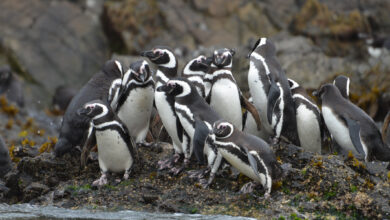
Chile has permanently rejected a major mining and port project, protecting a globally significant marine reserve that is home to most of the world’s Humboldt penguins.
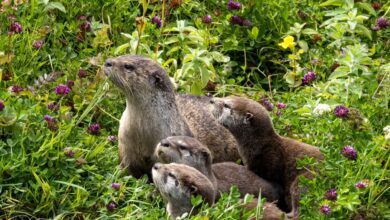
In the United States and Canada, river otters have returned to the Great Lakes region after decades of absence, signalling cleaner waterways and recovering ecosystems.
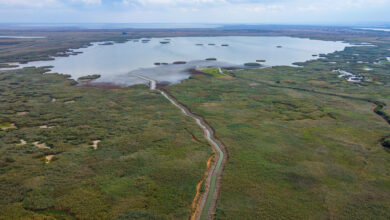
A major restoration effort in Ukraine's Danube Delta has reconnected Lake Kartal to the River Danube, reviving more than 18,000 hectares of wetland and reversing decades of ecological decline.
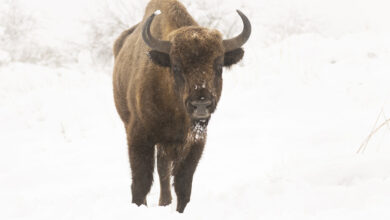
Nine European bison have been introduced to a new rewilding site in Spain, marking the species’ first arrival in the Iberian Highlands and advancing efforts to restore ecosystems and support rural communities.
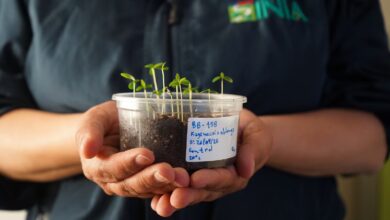
In Chile, a remote seed bank in the Atacama Desert is preserving thousands of plant species, protecting vital genetic diversity to support ecosystems and agriculture in a changing climate.
Researchers identified multiple new animal species in 2025, from ancient sea cows to deep-sea fish, expanding knowledge of Earth’s biodiversity and strengthening the case for protecting fragile ecosystems.
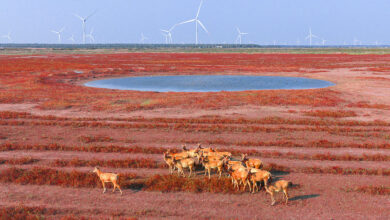
In eastern China’s Yancheng wetlands, a species once declared extinct in the wild is thriving again—marking one of conservation’s most extraordinary turnarounds.
In Nepal, a new national park has been established to safeguard ecosystems and bring conservation closer to the people who live alongside wildlife.