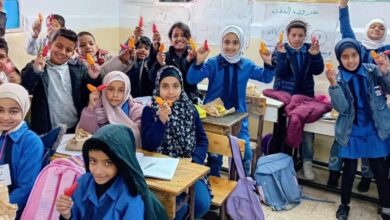
Jordan is expanding a school meals programme that improves children’s nutrition and attendance while creating employment opportunities for women through local food production and community kitchens.
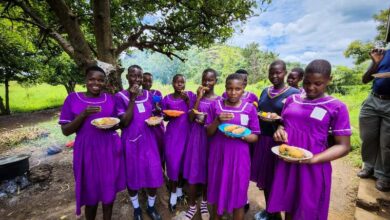
A record private-sector commitment will help provide nutritious school meals to 366,000 children while supporting sustainable farming and stronger local food systems across Uganda, Kenya and Ethiopia.
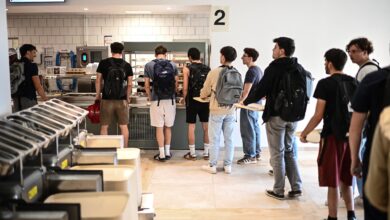
University students across France can now access €1 meals regardless of income, helping ease financial pressure and improve access to food.
The United Kingdom is overhauling school meals by removing high-sugar and deep-fried foods, improving children’s nutrition and helping tackle rising obesity and health risks.
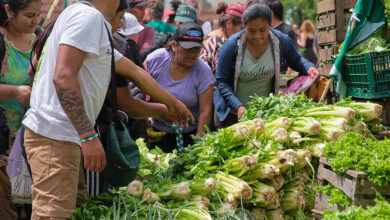
A new $1 billion initiative is set to support at least five million farmers in the Philippines, boosting productivity, incomes, and climate resilience across the country’s food system.
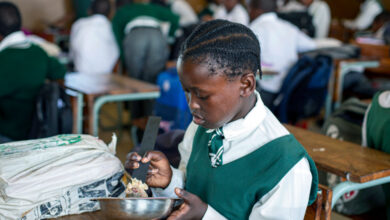
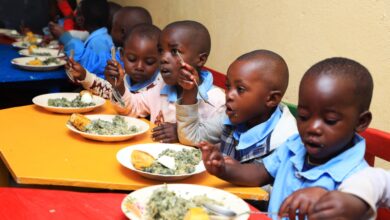
Across Africa, school feeding programmes now provide nutritious meals to over 86 million children, strengthening education, health and local economies.
Across the European Union, school meal programmes now provide nutritious food to around 25 million children, improving health, education outcomes and social equality.
Hunger in Latin America and the Caribbean has fallen for the fourth consecutive year, according to a new UN-backed report, which shows steady progress in improving food security across the region.
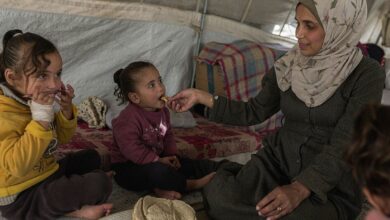
Basic food requirements are being fully met in Gaza for the first time since 2023, marking a critical improvement in humanitarian access and nutrition.
Child stunting declined in Rwanda from 33% to 27% between 2020 and 2025, marking sustained progress in child nutrition and early health outcomes nationwide.