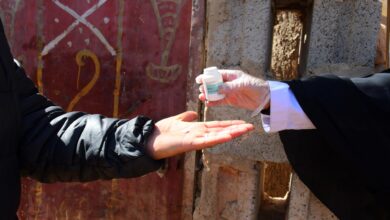
In Yemen, a nationwide effort is bringing treatment to remote communities for a severe form of onchocerciasis, commonly known as river blindness, reducing suffering and advancing progress toward elimination.
Ghana has reduced multidimensional poverty to 21.9% in 2025, with nearly one million people moving out of deprivation as access to services and living standards improved.
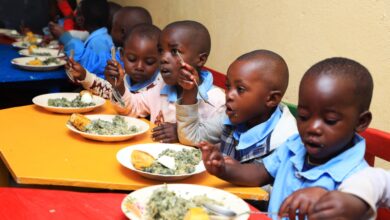
Child stunting declined in Rwanda from 33% to 27% between 2020 and 2025, marking sustained progress in child nutrition and early health outcomes nationwide.
Around the world, 95 million children have escaped extreme poverty since the start of the century — a powerful sign that decades of global investment in children’s health, education and protection are paying off.
The United States has reaffirmed its role as the largest donor to the Global Fund to Fight AIDS, Tuberculosis and Malaria, pledging $4.6 billion for 2026–28 despite an overall tightening of international aid budgets.
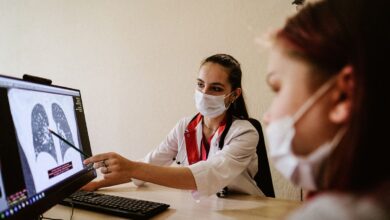
The world is making steady progress in defeating one of its oldest infectious diseases, as new data from the World Health Organization show tuberculosis deaths and infections continuing to decline worldwide.
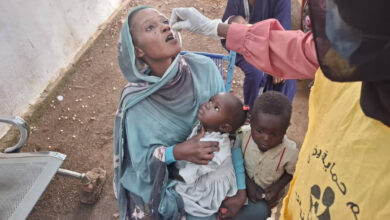
A major vaccination campaign has begun in Darfur, Sudan, aiming to shield 1.86 million people from a deadly cholera outbreak — one of the largest health efforts in the country amid conflict and crisis.
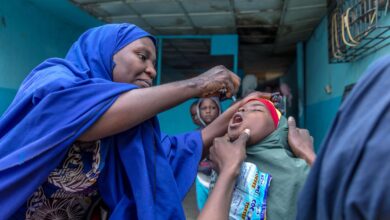
Nigeria has launched one of the largest vaccination campaigns in its history, aiming to protect 106 million children against measles, rubella and polio.
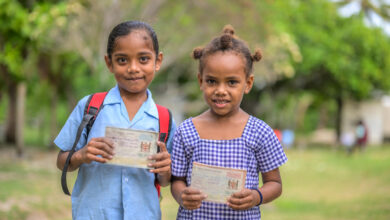
A significant health victory has been achieved as 21 Pacific island countries have eliminated both measles and rubella, and Japan has now officially eliminated rubella as well.
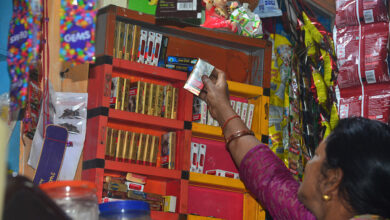
The number of people using tobacco has dropped to its lowest level in decades — proof that global health policies and awareness campaigns are saving millions of lives.