

Global efforts to develop new tuberculosis vaccines are nearing a breakthrough, raising the prospect of finally ending one of the world’s deadliest infectious diseases.
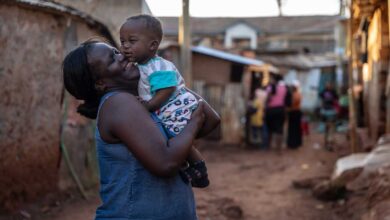
Denmark has eliminated mother-to-child transmission of HIV and syphilis, becoming the first European Union country to ensure babies are born free of both infections.
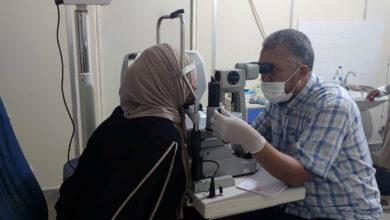
Libya has eliminated trachoma as a public health problem, protecting future generations from preventable blindness caused by one of the world’s oldest infectious eye diseases.
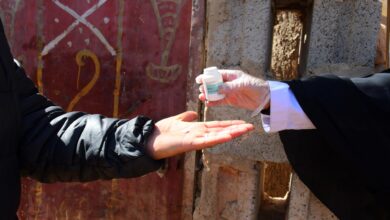
In Yemen, a nationwide effort is bringing treatment to remote communities for a severe form of onchocerciasis, commonly known as river blindness, reducing suffering and advancing progress toward elimination.
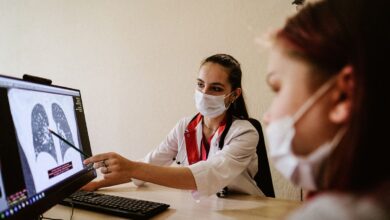
The world is making steady progress in defeating one of its oldest infectious diseases, as new data from the World Health Organization show tuberculosis deaths and infections continuing to decline worldwide.
Burundi has eliminated its first neglected tropical disease, becoming the eighth African country to have achieved the feat of eradicating trachoma as a public health problem.
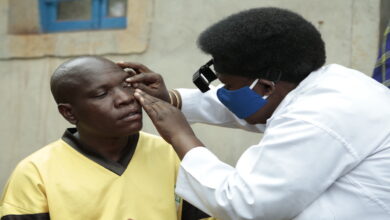
The Pacific Island country of Papua New Guinea has officially eliminated trachoma, the world’s leading infectious cause of blindness, as a public health problem through robust disease surveillance.
As old drugs become increasingly resistant to bacteria, a new molecule could be the answer to creating a novel class of antibiotics, thus helping to save millions of people from antibiotic-resistant infections.
The population of Sierra Leone exploded with joy when the World Health Organization declared the West African country finally Ebola-free after containing the outbreak that devasted the nation for a year and a half.
With the high threat of tuberculosis (TB) around the world, the significant progress Africa has made in reducing infection rates and TB-related deaths is certainly worth celebrating.