Oceans
-
Technology
 Technology Philippines
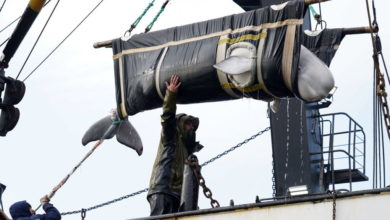
Faster and Cleaner: New Ferry Uses Ocean Waves for Power
The Philippines’ Visayas region thrives in the maritime sector – yet suffers from the pollution caused by conventional ships. Now a potential solution is underway: a fast-sailing boat that uses ocean waves to generate part of its power.
-
Environment
 Environment Australia
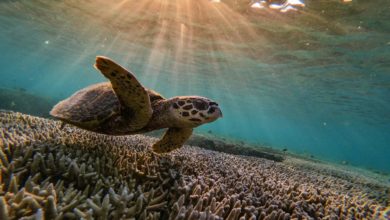
Scientists Crossbreed Corals, Make Them Fitter for Climate Change
Australia’s Great Barrier Reef – the world’s biggest reef system – has been suffering with increasing bleaching events. As a result, scientists have been working hard to lessen the impact, and crossbreeding corals looks to be a promising solution.
-
Technology
 Technology Sweden
Underwater Robots Keep Ships Clean to Cut Carbon Emissions
As the shipping industry is looking into ways to reduce carbon emissions, a new kind of underwater robot may be the solution, reducing the pollution of cargo ships by keeping them clean so they can use less energy to move around.
-
Environment
 Environment The Caribbean
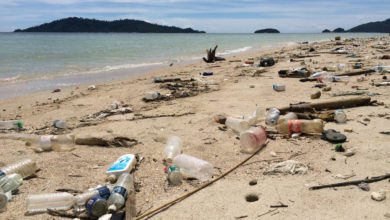
Seven Caribbean Countries Start New Decade with Ban on Single-Use Plastic
As of the 1st of January, seven Caribbean countries have begun implementing the ban of importing and using single-use plastic and polystyrene, to help save marine species and underwater ecosystems from ocean pollution.
-
Environment
 Environment United Kingdom
“Seafood” Made from Plants Could Relieve Stressed Oceans
A third of our planet’s oceans are over-fished, with record breaking global consumption. But companies across the world have been coming up with innovative solutions that sustainably tackle our growing demand for seafood.
-
Society
 Society USA
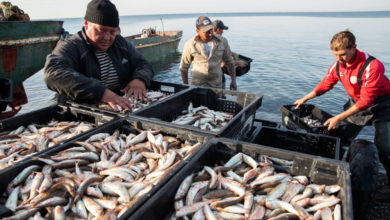
Our Oceans Could Give Us Six Times More Food Than Today – If We Would Manage It Better
Two-thirds of the animal protein U.N. food experts estimate will be needed to feed the future’s global population could be cultivated from the ocean with the help of improved management and technology, according to scientists.
-
Society

-
Environment
 Environment USA
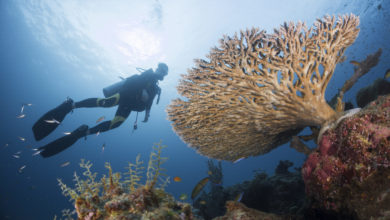
Scientists Say It’s Not Too Late to Save Coral Reefs
Marine scientists have proposed the immediate implementation of three crucial strategies to save the threatened coral reefs of the Indo-Pacific: protecting reefs from human impact, recovering those damaged, and transitioning away from ones too late to rescue.
-
Heroes
 Heroes Ireland
Teenager Uses What He Learned in Chemistry Class to Remove Microplastics from Oceans
18-year-old Irish Fionn Ferreira has invented a magnetic liquid trap that is able to affordably remove 90% of microplastics from the ocean – all thanks to an oil spill he spotted on a rock when he was kayaking that reminded him of a chemistry lesson.
-
Animals