A violence prevention programme in the United Kingdom has reached one million Londoners, helping protect young people and contributing to efforts to reduce serious youth violence.
Ghana has reduced malaria deaths by 98% since 2011, bringing the country closer to eliminating the disease through expanded vaccination, improved treatments and prevention programmes.
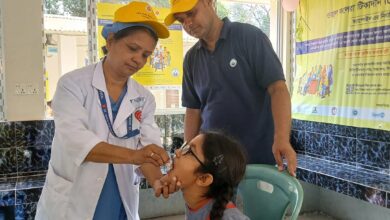
Bangladesh is rolling out more than five million free cholera vaccine doses to protect vulnerable communities and prevent outbreaks.
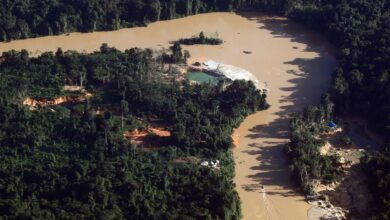
Scientists are developing an early-warning system in Brazil that uses mining, deforestation and climate data to help health teams prevent malaria outbreaks in Indigenous communities.
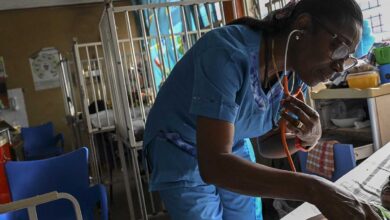
Cancer rates and deaths have fallen substantially in Egypt, with prevention programmes and improved public health helping save thousands of lives.
Overdose deaths in the United States are falling sharply, marking a significant shift after years of rising fatalities driven by synthetic opioids.
The United States reduced adult smoking rates to below 10% for the first time in 2024, marking a major public health milestone and lowering long-term disease risks.
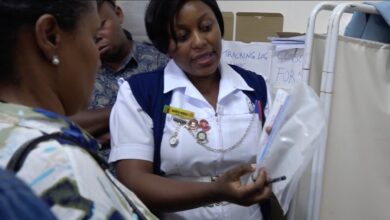
Zambia has expanded nurse-led cervical cancer screening since 2006, reaching over 1.5 million women and dramatically improving early detection despite limited resources.
Cabo Verde, Mauritius, and Seychelles have eliminated measles and rubella after achieving high vaccination coverage and stopping local transmission for more than 3 years.
The FDA has approved lenacapavir, the world's first HIV prevention shot that only needs to be taken twice a year.