Scotland has reduced child poverty rates, with the share of children living in poverty falling from 25% between 2020 and 2023 to 21% between 2022 and 2025.
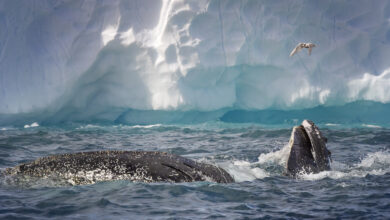
Antarctica is seeing a dramatic return of whale populations, with large groups reappearing in numbers not recorded since before industrial whaling.
The European Union has agreed to ban animal testing for detergents and cleaning products, advancing ethical science while maintaining safety for people and the environment.
Scotland saw major biodiversity gains as rewilding efforts rapidly restored habitats, boosting wildlife populations and strengthening ecosystem resilience.
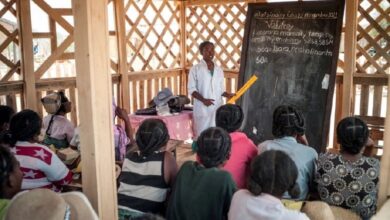
Madagascar has expanded social protection programmes to reach millions, helping families recover from shocks while creating new pathways to work, education and long-term economic participation.
Canada has ruled that asylum seekers in Quebec must be granted access to subsidised daycare, strengthening equal rights and supporting integration into society.
Chile has expanded full marine protection to over one million square kilometres of ocean in 2026, safeguarding biodiversity and surpassing 50% protection of its national waters.
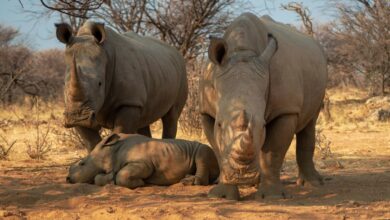
Uganda reintroduced rhinos to Kidepo Valley National Park in 2026, marking the first reintroduction in over 40 years and restoring a species once lost to poaching and conflict.
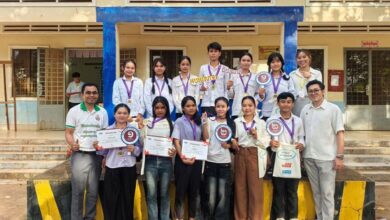
Cambodia has significantly reduced child marriage rates in two provinces, with early marriages among girls aged 18–22 falling sharply following a targeted empowerment programme.
Sweden cut shooting incidents by more than half between 2022 and 2025, marking a major reduction in gun violence after new policing strategies and tougher laws targeting gang crime.