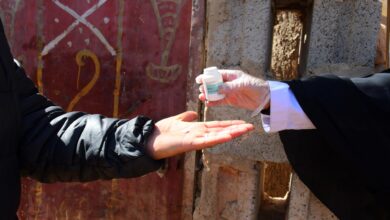
In Yemen, a nationwide effort is bringing treatment to remote communities for a severe form of onchocerciasis, commonly known as river blindness, reducing suffering and advancing progress toward elimination.
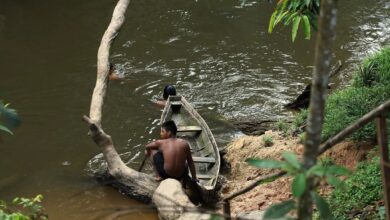
Colombia granted legal titles to more than 521,000 hectares of Amazon land to indigenous communities in 2026, strengthening forest stewardship and climate protection efforts.
China’s Yangtze finless porpoise population has risen to 1,426 in 2025, showing ecosystem recovery following a decade-long fishing ban and conservation efforts.
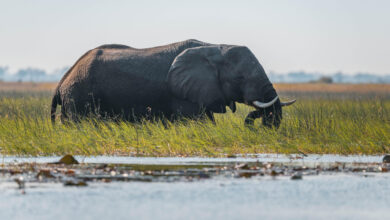
Angola secured international protection for a 53,000 km² highland wetland in 2025, safeguarding a vital water source feeding major African river systems and sustaining rare wildlife and communities.
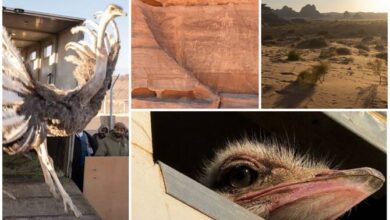
Saudi Arabia has reintroduced the red-necked ostrich to its deserts for the first time in almost 100 years, restoring a key species to support biodiversity and ecosystem balance.
Vietnam recorded a broad decline in crime in 2025, with most major offences falling and police exceeding national targets for solving serious cases.
China has recorded a sustained decline in domestic violence cases since 2021, showing that stronger enforcement and broader legal protections are reducing the most severe forms of abuse.
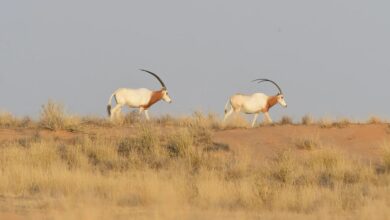
The scimitar-horned oryx has been restored to the wild in Chad after decades of extinction, offering new hope for ecosystems on the edge of the Sahara Desert.
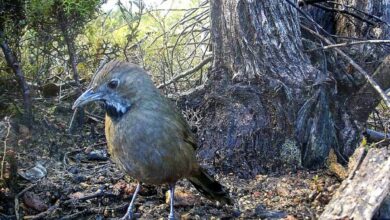
Endangered animal populations on Australia’s Kangaroo Island have rebounded by up to 100% after a predator-proof fence created a safe refuge following devastating bushfires.
Brazil has eliminated mother-to-child transmission of HIV, becoming the largest country in the world to reach this milestone and ensuring babies are born free of the virus.