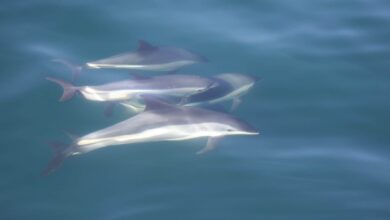
Dolphin hunts have been suspended in part of the Faroe Islands after authorities filed the first-ever animal abuse charges linked to a pilot whale hunt, signalling a major shift in enforcement and animal welfare standards.
Homicides fell to a record low in the UK capital in 2025, with killings dropping to their lowest level per person since records began after a sustained crackdown on serious violence.
Chile is set to create a new national park protecting nearly 200,000 hectares of remote coastline and forest, completing a 2,800 km wildlife corridor to the southern tip of the Americas.
A new malaria vaccine from India will lower supply costs, enabling wider immunisation of children across low-income countries from 2026.
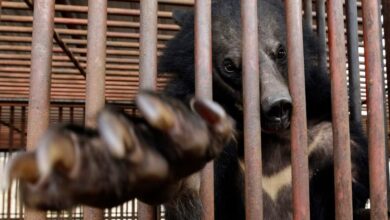
South Korea will end bear breeding and bile extraction from January 2026, formally closing a long-criticised industry and strengthening protections for captive wild animals.
After decades of conflict and instability, Iraq has made striking progress toward peace, stability and development, with falling poverty, stronger institutions and millions of displaced people returning home.
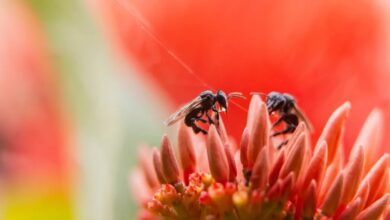
Peru has granted legal rights to native stingless bees, recognising their right to exist and thrive and marking the first time insects have received such protection anywhere.
The European Union has agreed on its first unified rules to protect dogs and cats from abuse, unsafe breeding, and illegal trade, strengthening animal welfare across all member states.
More than 20 European countries have now adopted consent-based definitions of rape, marking a historic cultural and legal shift toward recognising only voluntary sexual acts as lawful.
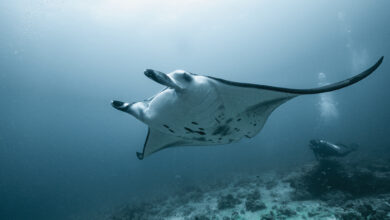
Member nations of CITES have unanimously granted the highest level of protection to all ten species of manta and devil rays, ending international commercial trade and marking a historic conservation milestone.