



Eight countries in the Americas have banned the use of electronic cigarettes.
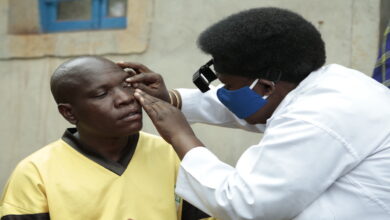
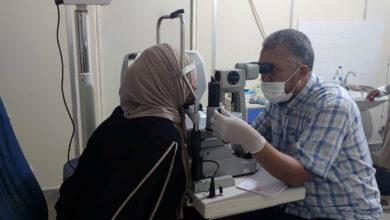
Ten years after establishing a tailored programme, Iraq has successfully eliminated trachoma as a national public health problem, becoming the fifth country in the Eastern Mediterranean Region to reach this goal.
Determined to eliminate hepatitis C on its territory, Egypt embarked on a successful program that cured more than a million citizens in a short seven months.
The Ultra-Low Emission Zone in London, the United Kingdom, is set to expand once more to include the outer areas of England’s capital, thus reducing polluting emissions and guaranteeing cleaner air for the population.
Four more European countries have met hepatitis B control targets set by the World Health Organization, bringing the region closer to eliminating viral hepatitis as a public health threat.
A recent study shows that unintentional drowning has declined between 1990 and 2017 all over the world by almost half following improved policies, prevention, and research efforts.
The most extensive vaccination campaign against canine rabies is underway in Cambodia.
Two new African countries, Benin and Mali, have effectively eradicated trachoma as a public health problem, giving hope to other countries in their quest to eliminate such neglected tropical diseases (NTDs).
For decades, China has put in place measures to clear out its smoggy skies, and consequently, Asia’s powerhouse is seeing steady improvements in its air quality for the benefit of over one billion citizens.
In 2022, the number of homicides in Brazil reached the lowest rate since data collection began back in 2007.