Even as global power demand rises, the world has reached peak coal use, with electricity systems increasingly shifting toward cleaner sources, the International Energy Agency reports.
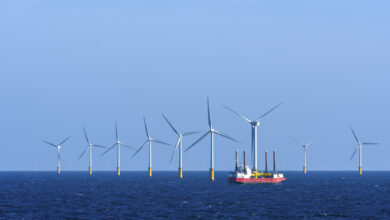
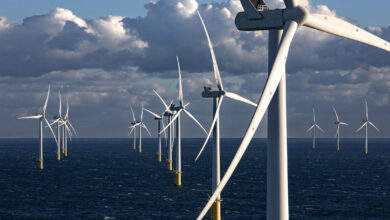
Ten European countries have pledged €9.5 billion to build shared offshore wind projects that will power up to 143 million homes by 2050, marking a major step toward long-term energy independence.
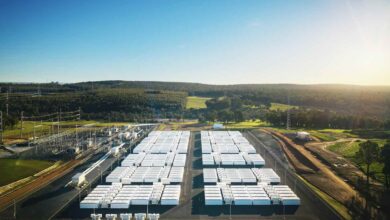
Battery storage costs have dropped more than 60% worldwide over the past two years, accelerating renewable energy adoption and strengthening grid reliability as energy demand rises.
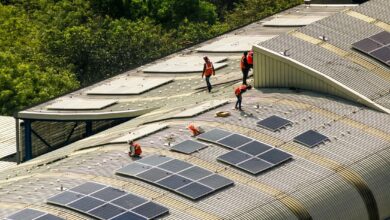
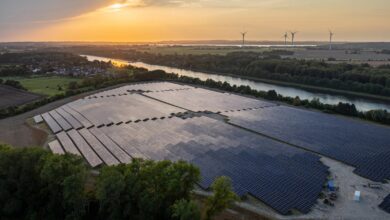
India is building its economic growth on cheap solar power and electrification, leapfrogging the fossil-fuel-heavy path taken by China and Western economies.
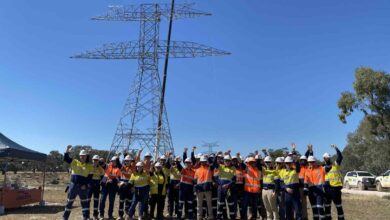
Australia has finished erecting all 1,500 steel towers for its largest-ever transmission project, a major step toward connecting renewable energy across three states and strengthening the national grid.
Britain has become the world’s largest economy to halt new oil and gas exploration, marking a historic shift toward clean energy and climate leadership.
For the first time outside a global downturn, the world’s rising electricity demand is being met entirely by clean energy, marking 2025 as the first year with no increase in fossil fuel generation.
Colombia has declared its entire Amazon region a reserve for renewable natural resources, banning all new oil and large-scale mining projects across the vast biome that covers 42% of its territory.
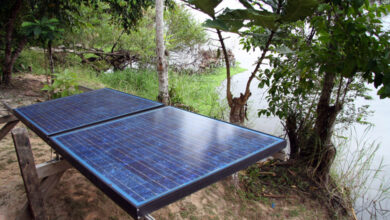
A major new initiative will channel $636 million into renewable power and modernized grids across Africa, helping millions gain access to clean, reliable electricity.
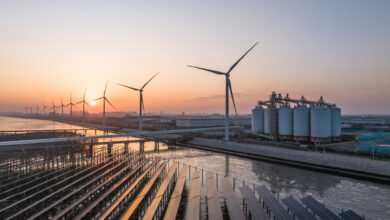
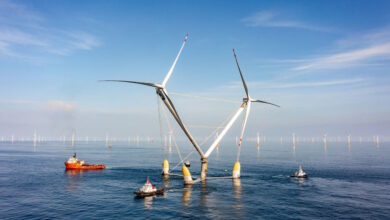
In China, a bold leap for renewable energy is underway as Ming Yang Smart Energy unveils plans for a 50-megawatt floating wind turbine featuring two massive rotors on a single platform.