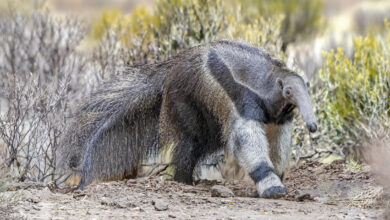
Giant anteaters are once again thriving in Argentina after a pioneering reintroduction programme restored the species to the Iberá Wetlands, bringing conservation, tourism and local communities long-term benefits.
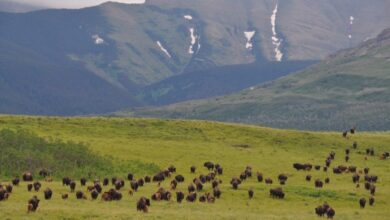
More than 5,000 wild-type bison are helping restore native prairie, boost biodiversity and strengthen long-term ecosystem recovery in Canada through a family-led rewilding project spanning more than three decades.
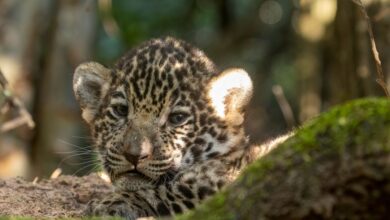
A wild jaguar cub has been born in Argentina’s Gran Chaco Forest for the first time in at least 30 years, marking a major milestone in efforts to restore the species.
Scotland saw major biodiversity gains as rewilding efforts rapidly restored habitats, boosting wildlife populations and strengthening ecosystem resilience.
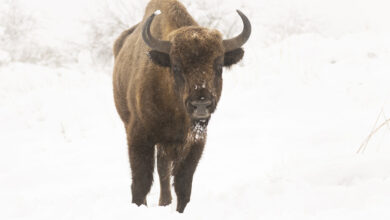
Nine European bison have been introduced to a new rewilding site in Spain, marking the species’ first arrival in the Iberian Highlands and advancing efforts to restore ecosystems and support rural communities.
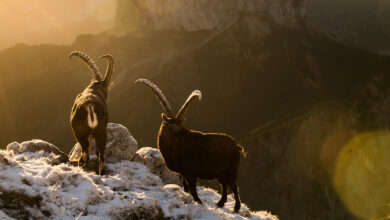
France launched its largest rewilding landscape in 2025 in the Dauphiné Alps, aiming to rebuild resilient mountain ecosystems by helping key wildlife return and thrive with minimal human intervention.
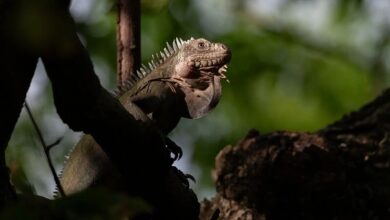
Critically endangered Lesser Antillean iguanas are now thriving on a small island near Anguilla after a cross-Caribbean conservation effort successfully rebuilt a healthy breeding population.
Ukraine is using restored wild landscapes to support healing and resilience, as conservation projects now help soldiers and families recover from the psychological toll of war.
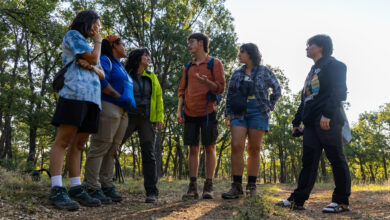
In Spain, rewilding is transforming the Iberian Highlands, helping rural communities recover from depopulation by creating jobs, restoring nature and building a greener local economy.
Global agricultural land use peaked in the early 2000s and is now declining, freeing up space where grasslands, forests, and wild animals are returning — a hopeful sign for rewilding and biodiversity.