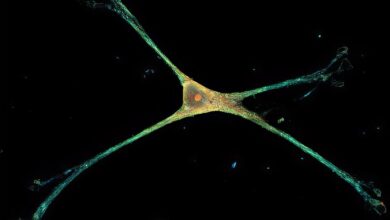
Scientists have discovered that astrocytes, once thought to merely support neurons, actively regulate brain activity and influence mental and emotional states.
The planet has reached a historic milestone with more than eight years passing without a single nuclear test, the longest lull since the atomic age began in 1945.
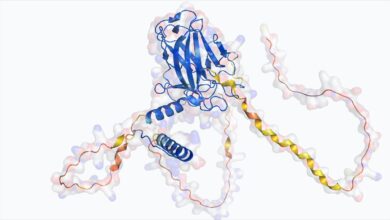
In the United Kingdom, scientists have used artificial intelligence to predict the 3D structures of more than 200 million proteins, transforming biological research worldwide.
Scientists are closing in on lab-made replacements for the blue blood of horseshoe crabs, which have long been used to ensure the safety of vaccines and other medicines.
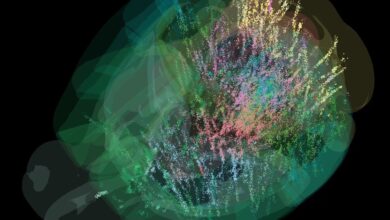
Scientists have just revealed the most comprehensive brain-activity map yet, showing how decisions unfold across nearly the entire brain—a breakthrough for neuroscience and our understanding of thought.
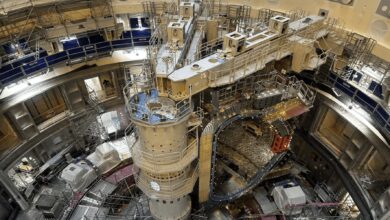
The world’s largest fusion project has launched the final assembly of its reactor core, marking a giant step toward harnessing clean, limitless energy.
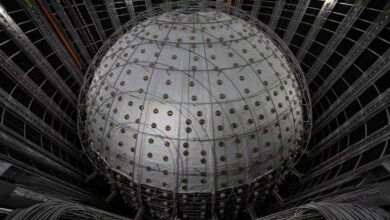
The world's largest neutrino detecter has been turned on, potentially one day helping solve mysteries surrounding the building blocks of matter.
A brain-computer interface has brought scientists closer to translating our silent inner thoughts into speech, offering new hope for people with paralysis or severe speech impairments.
A revolutionary device is capable of extracting water vapor from the air and converting it into drinkable water, even in remote and arid desert regions.
In a breakthrough discovery, a university student has identified the fungus that makes LSD psychoactive.