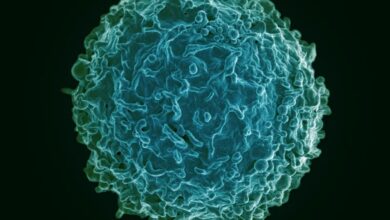
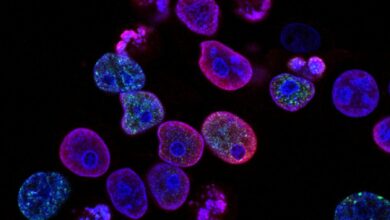
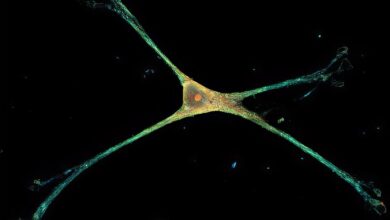
A new cancer jab has produced strong responses in patients with advanced head and neck cancer in the United Kingdom, offering hope to people whose disease had stopped responding to existing treatments.
A genomic test could help many people with breast cancer avoid chemotherapy while achieving the same outcomes, marking a major advance in personalised treatment in the United Kingdom.
A new nasal spray therapy has reversed key signs of brain ageing and improved memory in laboratory studies, raising hopes for future treatments that support healthier cognitive ageing in the United States.
Adults with type 2 diabetes in the United States can now use the world’s first once-weekly basal insulin injection, reducing the number of annual insulin shots from 365 to 52.
Sweden has demonstrated that a single gene therapy injection can restore hearing in people born with a genetic form of deafness, offering a potential long-term treatment.
A personalised immune cell therapy has successfully treated three life-threatening autoimmune diseases in a single patient, offering new hope for tackling complex immune disorders.
In Japan, a newly approved stem cell therapy is offering fresh hope for people with Parkinson’s disease by aiming to replace the brain cells responsible for movement.
Chile has become the first country in the Americas verified to eliminate leprosy as a public health problem, marking more than three decades without locally transmitted cases.
The United Kingdom has used a pioneering gene therapy that reprogrammes immune cells to hunt cancer, helping patients with previously untreatable blood cancer achieve lasting remission.
Scientists have discovered that astrocytes, once thought to merely support neurons, actively regulate brain activity and influence mental and emotional states.