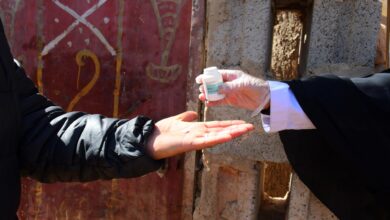
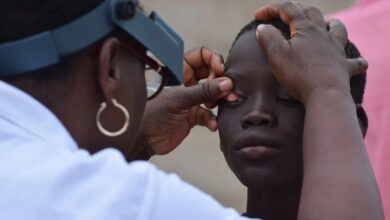
In Yemen, a nationwide effort is bringing treatment to remote communities for a severe form of onchocerciasis, commonly known as river blindness, reducing suffering and advancing progress toward elimination.
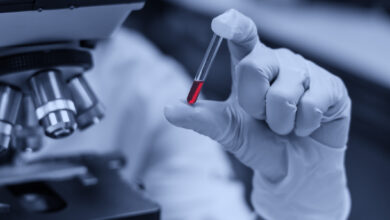
A new CRISPR-powered blood test can detect faint molecular signs of cancer in a drop of blood before tumors appear on scans, offering new possibilities for earlier diagnosis, scientists in China report.
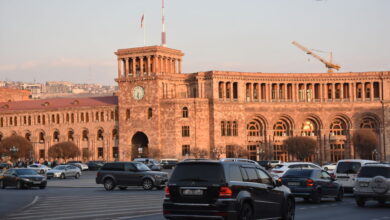
Armenia will introduce universal health insurance from 2026, aiming to ensure affordable medical care for all citizens and reduce financial barriers to treatment.
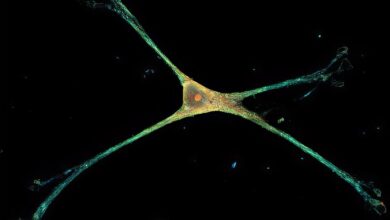
Scientists have discovered that astrocytes, once thought to merely support neurons, actively regulate brain activity and influence mental and emotional states.
For the first time since global tracking began, fewer than 100 million people worldwide now require interventions against trachoma, the leading infectious cause of blindness.
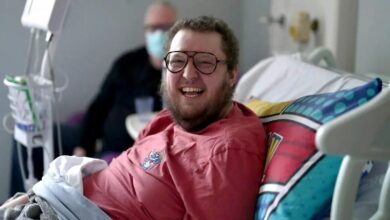
In the UK, a breakthrough “living drug” has been given to an NHS patient with aggressive leukaemia, opening access to a powerful personalised therapy that can deliver long-term remission and potential cures.
The field of ageing research is gaining momentum, with tangible progress toward extending healthy human life, but it also faces a wave of scams and exaggerated claims.
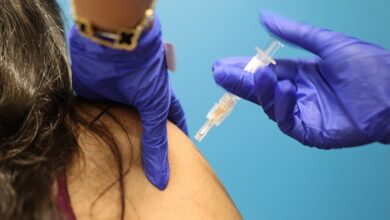
In the United States, scientists have found that COVID-19 mRNA vaccines may do more than prevent infection — they could also strengthen cancer treatment.
The World Health Organization has added vital treatments for cancer, diabetes, and obesity to its Essential Medicines Lists — a move that will make groundbreaking therapies more widely available worldwide.
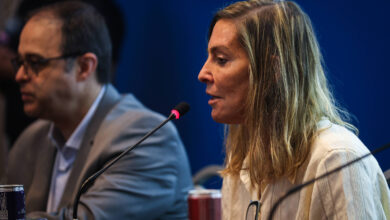
A pioneering Brazilian treatment is showing the potential to reverse spinal cord injuries — a medical breakthrough once thought impossible.