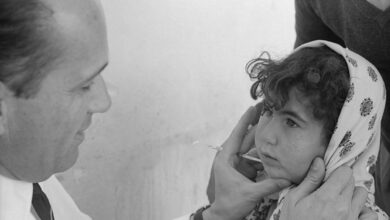
Tunisia has been validated by the World Health Organization as having eliminated trachoma as a public health problem, marking a major achievement in the fight against preventable blindness.
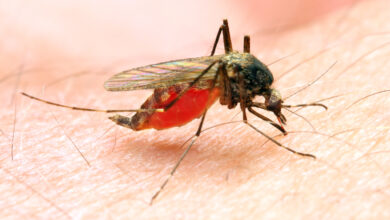
The Gambia has recorded a 46% decline in malaria cases in a single year, reflecting significant progress in disease prevention and control efforts nationwide.
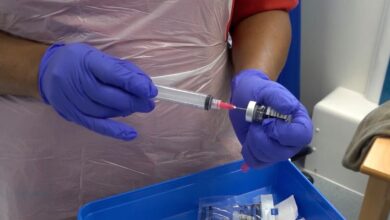
A new cancer jab has produced strong responses in patients with advanced head and neck cancer in the United Kingdom, offering hope to people whose disease had stopped responding to existing treatments.
A genomic test could help many people with breast cancer avoid chemotherapy while achieving the same outcomes, marking a major advance in personalised treatment in the United Kingdom.
A new daily pill has significantly extended survival for people with advanced pancreatic cancer in the United States, offering fresh hope against one of the deadliest forms of the disease.
Malaria deaths have fallen dramatically in Papua New Guinea, bringing the country closer to its goal of eliminating malaria fatalities and improving public health outcomes nationwide.
Adults with type 2 diabetes in the United States can now use the world’s first once-weekly basal insulin injection, reducing the number of annual insulin shots from 365 to 52.
In Australia, trachoma has been eliminated as a public health problem, ending the presence of a preventable disease that once disproportionately affected remote communities.
In Algeria, trachoma—the world’s leading infectious cause of blindness—has been eliminated as a public health problem after decades of sustained national effort.
England is introducing a new injectable cancer immunotherapy that delivers treatment in minutes, improving patient experience while freeing up hospital capacity.