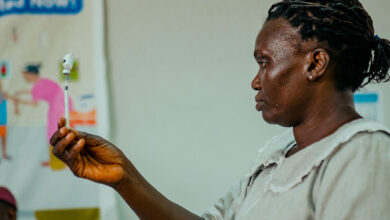
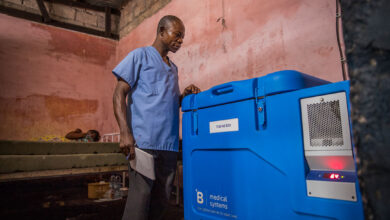
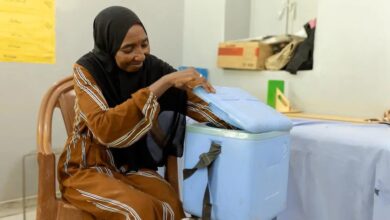
A new global mpox vaccine stockpile will give countries faster and more equitable access to vaccines during outbreaks, strengthening preparedness worldwide.
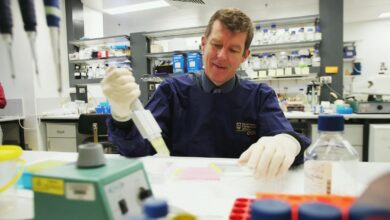
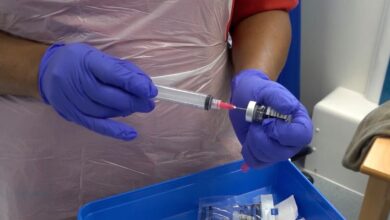
A vaccine designed to work without refrigeration has completed its first human trial in the United Kingdom, potentially making immunisation easier in remote communities.
People across Africa could gain stronger access to locally produced vaccines as new investments aim to expand manufacturing capacity and strengthen long-term health security.
South Sudan and Sudan have eliminated maternal and neonatal tetanus through large-scale vaccination programmes, safer childbirth practices, and expanded maternal healthcare services.
Australia is on track to eliminate cervical cancer within the next decade through widespread HPV vaccination and advanced screening programmes.
Burundi has introduced the HPV vaccine nationwide to protect girls from cervical cancer and improve long-term health outcomes for women across the country.
In Burkina Faso, malaria cases and deaths have dropped sharply following the rollout of a new vaccine, offering families renewed protection against one of the country’s most persistent diseases.
England is introducing a new injectable cancer immunotherapy that delivers treatment in minutes, improving patient experience while freeing up hospital capacity.
Africa has averted nearly 20 million measles deaths through expanded vaccination, demonstrating the life-saving impact of sustained immunisation efforts across the continent.
The United Kingdom is cutting baby hospital admissions from RSV by more than 80% through a vaccine given during pregnancy, protecting infants from serious early-life infections.