South Africa has recorded a 16% drop in rhino poaching in 2025, reflecting progress in conservation efforts despite continued regional challenges and pressure from wildlife trafficking networks.
Globally, new digital tools and technologies are helping authorities detect illegal wildlife trade more effectively, strengthening enforcement and protecting endangered species.
France launched its largest rewilding landscape in 2025 in the Dauphiné Alps, aiming to rebuild resilient mountain ecosystems by helping key wildlife return and thrive with minimal human intervention.
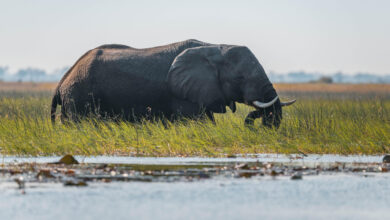
Angola secured international protection for a 53,000 km² highland wetland in 2025, safeguarding a vital water source feeding major African river systems and sustaining rare wildlife and communities.
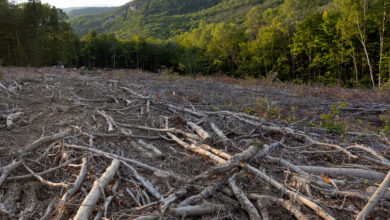
A US federal court has ruled that a decades-old rule allowing large logging projects to bypass environmental review was unlawful, restoring stronger safeguards for forests and wildlife.
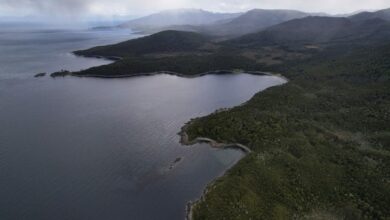
Chile is set to create a new national park protecting nearly 200,000 hectares of remote coastline and forest, completing a 2,800 km wildlife corridor to the southern tip of the Americas.
Costa Rica has transformed a former cattle pasture into a thriving rainforest through decades of butterfly-led rewilding, bringing wildlife back to land that was once bare grass.
Australia has passed sweeping reforms to its environment laws, introducing the nation’s first independent regulator and stronger safeguards for forests, wildlife, and water.
Puppies bred and trained in Wales are saving endangered wildlife across southern Africa, with specially trained dogs helping rangers track poachers and protect rhinos, elephants and other threatened species.
In Spain, rewilding is transforming the Iberian Highlands, helping rural communities recover from depopulation by creating jobs, restoring nature and building a greener local economy.