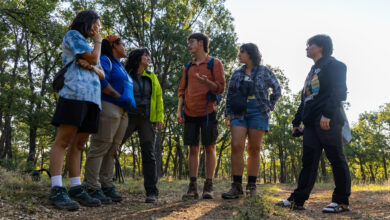
In Spain, rewilding is transforming the Iberian Highlands, helping rural communities recover from depopulation by creating jobs, restoring nature and building a greener local economy.
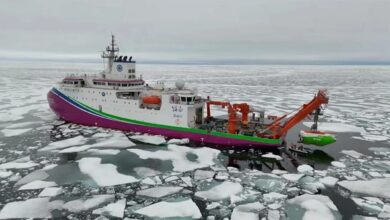
Chinese researchers have explored an uncharted section of a volcanic ridge beneath the Arctic Ocean, uncovering one of the planet’s most remote and least studied environments.
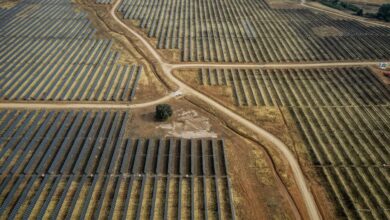
In Spain, citizen-led energy cooperatives are transforming access to clean power, supplying affordable electricity to households and helping low-income families escape fuel poverty.
Canada has designated three new marine refuges along its North Coast, co-managed with Indigenous Nations to protect vital ocean habitats and strengthen reconciliation efforts.
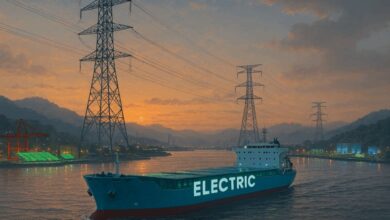
China’s Yangtze River is rapidly becoming a fully electrified shipping corridor, as new battery-powered bulk carriers and charging ports turn inland trade into a clean-energy network.
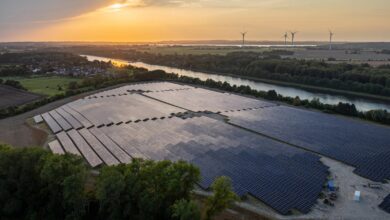
For the first time outside a global downturn, the world’s rising electricity demand is being met entirely by clean energy, marking 2025 as the first year with no increase in fossil fuel generation.
Colombia has declared its entire Amazon region a reserve for renewable natural resources, banning all new oil and large-scale mining projects across the vast biome that covers 42% of its territory.
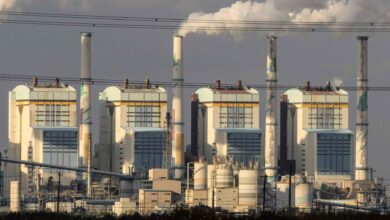
South Korea has joined the Powering Past Coal Alliance, committing to close 40 coal-fired power plants by 2040 and stop building any new ones.
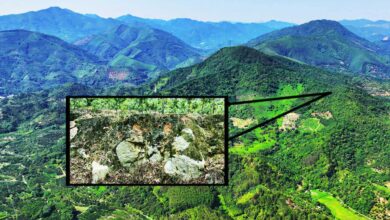
Scientists have identified a massive 900-metre-wide impact crater in Guangdong Province, China — the largest known crater formed in the past 11,000 years.
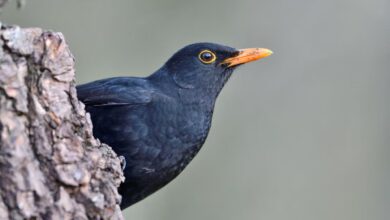
France’s insect-eating birds are showing the first signs of recovery after the 2018 ban on bee-harming pesticides, offering rare evidence that nature can rebound when given a chance.