Health
-
 Health Netherlands
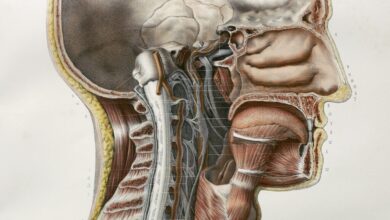
Researchers Might Have Found the First New Human Organ in 300 Years
A team of researchers from the Netherlands believe they have identified a new pair of large salivary glands where the nasal cavity meets the throat. If confirmed, it could be the first identification of its kind in 300 years.
-

-

-
 Health United Kingdom
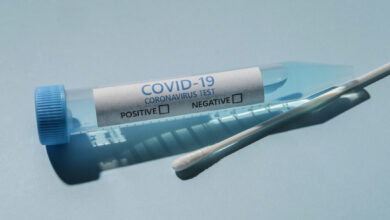
A Coronavirus Test Result in Five Minutes? Yes, Oxford Scientists Did It!
Scientists from Oxford University have developed a coronavirus test that provides a diagnostic in less than five minutes whilst differentiating SARS-CoV-2 from negative clinical samples and respiratory infections such as influenza.
-

-
-
-

-
 Health USA
Will Do-It-Yourself Corona Test Be Available Soon? (It Would Cost Ten Bucks and only Take 15 Minutes)
In the United States, as the testing capacity is not close to the testing needs, a race to come up with a paper-based test for coronavirus has surged. It might be the solution to test sufficiently and, eventually, reopen the country safely.
-
 Health United Kingdom
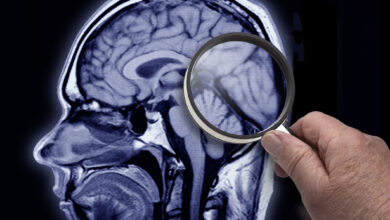
Brain and Spinal Cord Damages Could Soon Be a Thing of the Past
British scientists have successfully created the compound CPTX, a synthetic version of the protein Cerebellin-1, that could repair damage to the brain and the spinal cord, giving hope to people who suffer from Alzheimer, epilepsy or paralysis, for example.