New Zealand has officially banned commercial greyhound racing, marking a significant step towards protecting dogs from racing-related injuries, deaths and other welfare risks.
More than 500 stolen cats have been rescued in a major police operation, reuniting dozens with their families and strengthening efforts to protect pets in Vietnam.
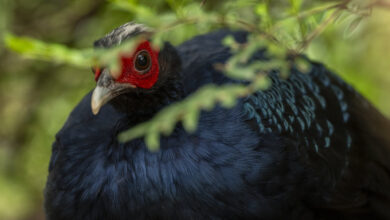
A major conservation partnership is preparing to return the Vietnam pheasant to the wild in Vietnam, offering a second chance for a species feared lost from its natural habitat.
The European Union has approved its first common rules to improve the welfare, traceability, and protection of cats and dogs across member states.
The United States opened North America’s largest wildlife crossing in Colorado in 2025, reconnecting habitats and reducing animal-vehicle collisions by up to 90% on a major highway.
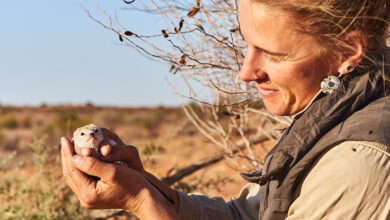
Australia’s ampurta, once on the brink of extinction, is making a rare and dramatic recovery, expanding its range across vast desert regions despite harsh conditions.
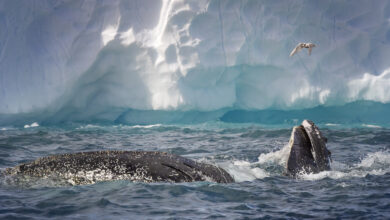
Antarctica is seeing a dramatic return of whale populations, with large groups reappearing in numbers not recorded since before industrial whaling.
Norway will fully phase out fast-growing chicken breeds by 2027, becoming the first country to eliminate birds linked to severe welfare problems in industrial poultry farming.
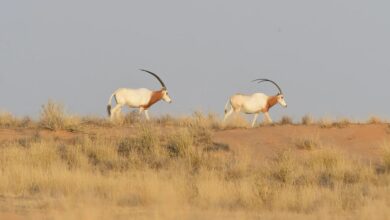
The scimitar-horned oryx has been restored to the wild in Chad after decades of extinction, offering new hope for ecosystems on the edge of the Sahara Desert.
Dolphin hunts have been suspended in part of the Faroe Islands after authorities filed the first-ever animal abuse charges linked to a pilot whale hunt, signalling a major shift in enforcement and animal welfare standards.