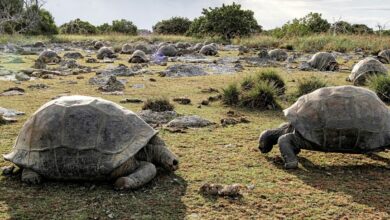
Decades of conservation efforts have helped the wild giant tortoise population on Aldabra Atoll in Seychelles recover to a record high of approximately 183,000.
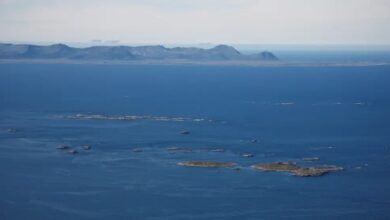
A new 1,848.5-square-kilometre marine protected area will safeguard coral reefs, kelp forests and important wildlife habitats for future generations in Norway.
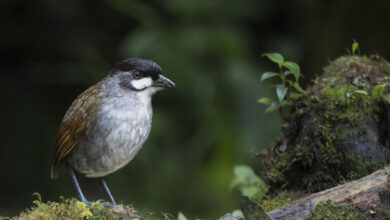
A conservation initiative inspired by the discovery of a rare bird has restored forests, protected endangered wildlife and created local employment opportunities across Ecuador.
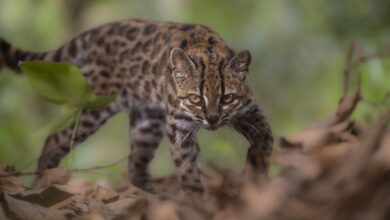
Scientists have identified the tilcayo as a previously unknown wild cat species, revealing hidden biodiversity in Bolivia's cloud forests.
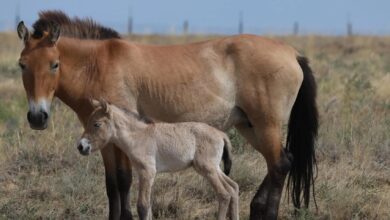
A Przewalski’s horse has been born on the steppe for the first time in 200 years, marking a milestone in restoring native wildlife in Kazakhstan.
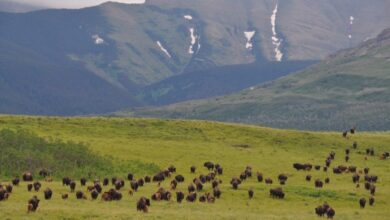
More than 5,000 wild-type bison are helping restore native prairie, boost biodiversity and strengthen long-term ecosystem recovery in Canada through a family-led rewilding project spanning more than three decades.
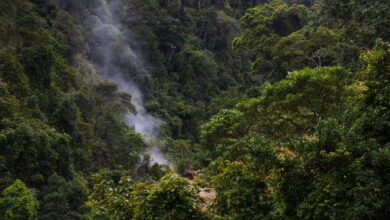
A new protected area is safeguarding more than 98,000 hectares of biodiverse Amazon rainforest in Peru, helping protect endangered wildlife, secure freshwater supplies and strengthen Indigenous conservation after a decade-long effort.
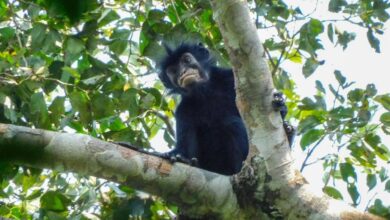
A newly identified monkey species with distinctive pinkish-orange lips has been confirmed in the Democratic Republic of the Congo, opening the way for stronger protection of one of Africa’s rarest primates.
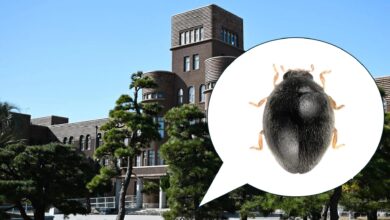
Scientists have discovered two previously unknown ladybird beetle species, showing that important biodiversity can still be found in everyday places and deepening understanding of ecosystems in Japan.
New legislation in the United Kingdom is helping accelerate offshore wind development while introducing stronger and more flexible measures to protect and restore marine ecosystems.