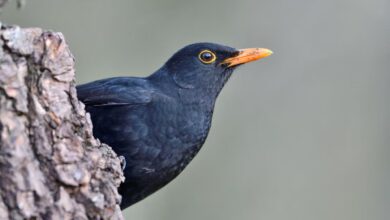
France’s insect-eating birds are showing the first signs of recovery after the 2018 ban on bee-harming pesticides, offering rare evidence that nature can rebound when given a chance.
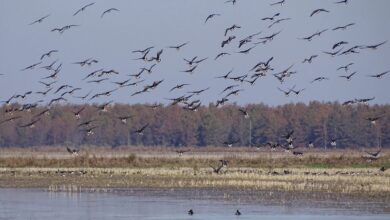
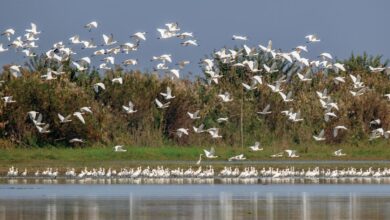
Rice farmers in the United States are turning their fields into seasonal wetlands, helping millions of migratory birds thrive while naturally fertilising their soil and improving harvests.
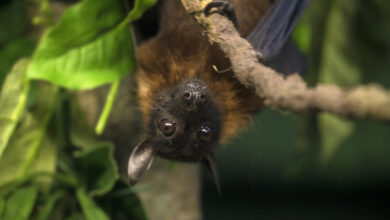
In Tanzania, scientists have discovered that fruit bats navigate the open skies using a powerful internal compass that stays accurate even when the moon and stars are hidden.
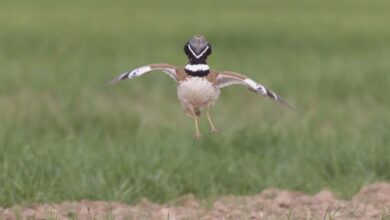
In Kyrgyzstan, the Little Bustard, a pheasant-sized grassland bird once declared extinct nationally, is now making a comeback, with hundreds of breeding pairs documented in key valleys.
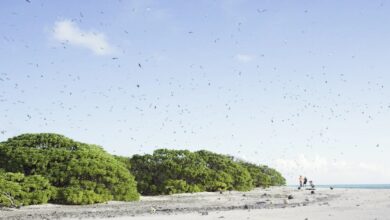
In the Marshall Islands, two remote Pacific islands — Bikar Atoll and Jemo Islet — have been restored to thriving natural sanctuaries after a year-long rat eradication program.
China is launching a nationwide three-year effort to strengthen bird protection — targeting illegal poaching, habitat loss, and public awareness to safeguard one of the world’s richest bird diversities.
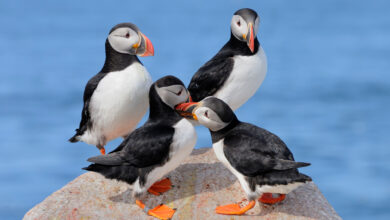
Atlantic puffins are making a comeback in Maine, USA, thanks to years of restoration efforts that rebuilt nesting spaces and coaxed the birds back to thrive in once-lost habitats.
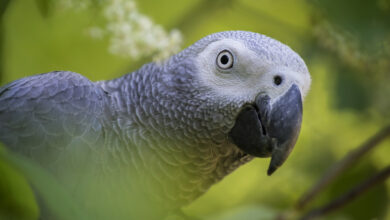
The Democratic Republic of Congo has banned the capture, sale, and transport of African Grey parrots, a landmark decree to protect one of the world’s most trafficked bird species.
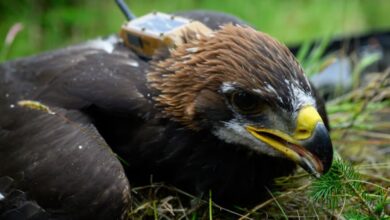
A golden eagle chick named “Princeling” by Sir David Attenborough marks a hopeful milestone in the species’ comeback from near extinction in the UK.
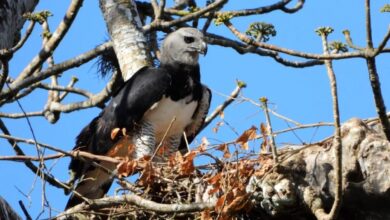
Recent Harpy Eagle sightings in areas where the bird hasn't been seen for decades are a hopeful sign that the species may slowly but surely be recovering.