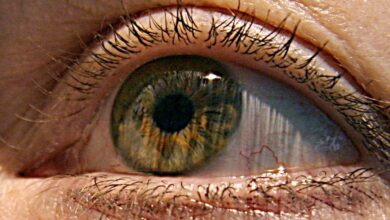
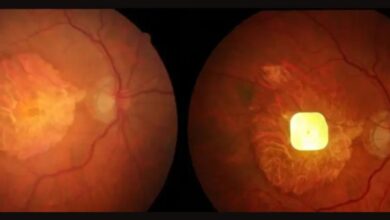
People with advanced age-related macular degeneration can now regain some lost sight after Europe's first approved retinal implant was made available to patients in Germany, offering a new treatment option.
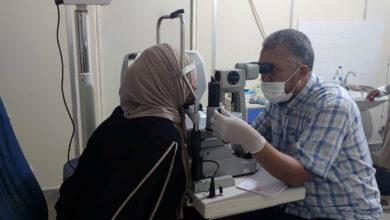
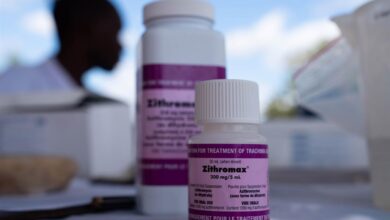
Tunisia has been validated by the World Health Organization as having eliminated trachoma as a public health problem, marking a major achievement in the fight against preventable blindness.
Libya has eliminated trachoma as a public health problem, protecting future generations from preventable blindness caused by one of the world’s oldest infectious eye diseases.
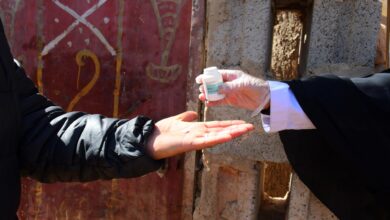
In Yemen, a nationwide effort is bringing treatment to remote communities for a severe form of onchocerciasis, commonly known as river blindness, reducing suffering and advancing progress toward elimination.
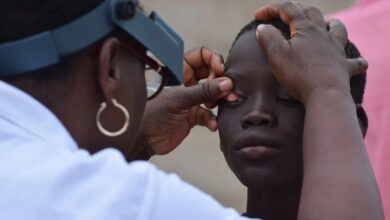
For the first time since global tracking began, fewer than 100 million people worldwide now require interventions against trachoma, the leading infectious cause of blindness.
A pioneering electronic eye implant has enabled patients who were completely blind to read again — a medical milestone in restoring sight through artificial vision.
The Pacific Island country of Papua New Guinea has officially eliminated trachoma, the world’s leading infectious cause of blindness, as a public health problem through robust disease surveillance.
Following decades of concerted efforts, Vietnam managed to successfully eradicate trachoma as a public health problem, preventing millions of citizens from falling prey to the world’s leading cause of blindness.
Zimbabwe is closer than ever to eliminating trachoma across all districts and populations.
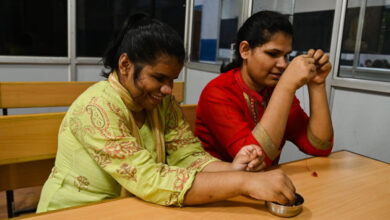
As of 2019, the World Health Organization's figures show a 47.1 percent decrease in blindness and a 51.9 percent decrease in visual impairment in India.