Cancer rates and deaths have fallen substantially in Egypt, with prevention programmes and improved public health helping save thousands of lives.
Tobacco use has fallen by around half since 2000, marking major progress for public health and reducing the future burden of tobacco-related disease in India.
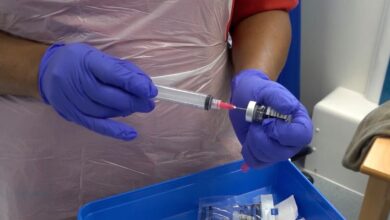
A new cancer jab has produced strong responses in patients with advanced head and neck cancer in the United Kingdom, offering hope to people whose disease had stopped responding to existing treatments.
A new daily pill has significantly extended survival for people with advanced pancreatic cancer in the United States, offering fresh hope against one of the deadliest forms of the disease.
England is introducing a new injectable cancer immunotherapy that delivers treatment in minutes, improving patient experience while freeing up hospital capacity.
The United Kingdom has seen cancer death rates fall to their lowest level on record, reflecting major long-term advances in prevention, diagnosis and treatment.
India has launched the world’s largest HPV vaccination programme, offering free jabs to around 11.5 million 14-year-old girls each year to prevent cervical cancer.
The United Kingdom has used a pioneering gene therapy that reprogrammes immune cells to hunt cancer, helping patients with previously untreatable blood cancer achieve lasting remission.
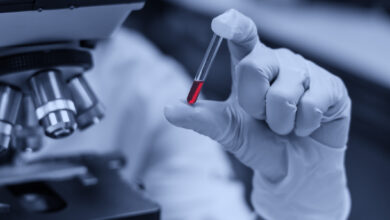
A new CRISPR-powered blood test can detect faint molecular signs of cancer in a drop of blood before tumors appear on scans, offering new possibilities for earlier diagnosis, scientists in China report.
In the UK, a breakthrough “living drug” has been given to an NHS patient with aggressive leukaemia, opening access to a powerful personalised therapy that can deliver long-term remission and potential cures.