Sikhs, Hindus and Muslims in India’s Punjab are joining forces to restore abandoned mosques and build new ones, strengthening interfaith harmony and reviving a shared cultural heritage.
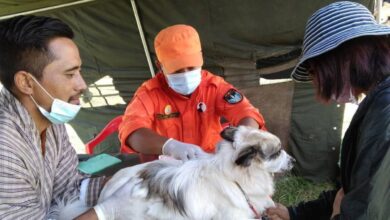
Bhutan has eliminated dog-transmitted human rabies as a public health problem, becoming the first country in its region to achieve the milestone.
A language dormant for generations is returning to classrooms and families in Taiwan, helping the Siraya reconnect with their heritage and strengthen their Indigenous identity.
Community-led conservation has helped the critically threatened Niger Delta red colobus population roughly double from a low of about 200 in Nigeria.
Zanzibar is deploying AI-powered drones to identify and treat mosquito breeding sites as malaria prevalence in Tanzania falls to just 0.04%.
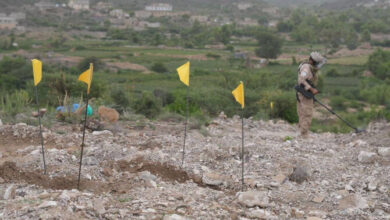
Saudi Arabia is funding large-scale mine-clearance efforts that are making land safer and restoring communities across multiple conflict-affected regions.
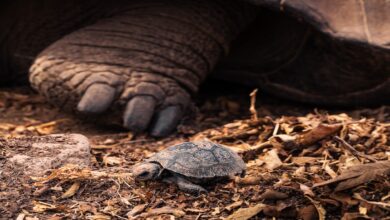
Giant tortoises have returned to Floreana Island in Ecuador after 180 years, marking a major step in restoring one of the Galápagos’ most heavily altered ecosystems.
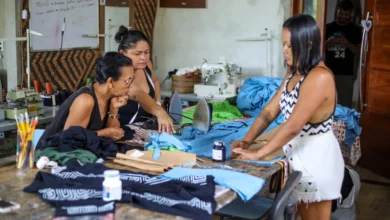
In Brazil, Indigenous-led funds are increasingly directing climate and nature finance themselves, ensuring money reaches local priorities and supports livelihoods alongside forest protection.
Hundreds of Australian bagpipers joined forces in Melbourne to play AC/DC’s “It’s a Long Way to the Top (If You Wanna Rock ’n’ Roll),” setting a new record for the world’s largest bagpipe ensemble.
In Ecuador, the Kichwa community of Pakayaku has successfully prevented mining, logging and oil activities across 40,000 hectares of rainforest for generations, using a community-led guardian programme.