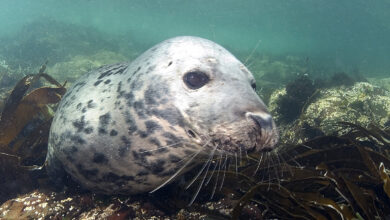
The United Kingdom is seeing early marine recovery as a trawling ban off the Sussex coast helps seabed habitats regenerate and fish populations begin to return.
The UK’s nutraceutical industry is beginning to phase out krill-based products, recognising the species’ vital role in ocean ecosystems and taking steps to reduce pressure on Antarctic wildlife.
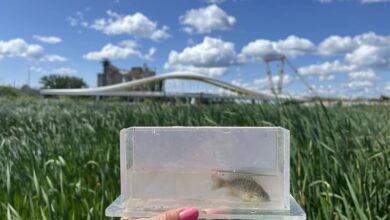
Canada saw fish populations return to Toronto’s Don River in 2025, marking a major ecological recovery after decades of severe pollution rendered the waterway biologically depleted.
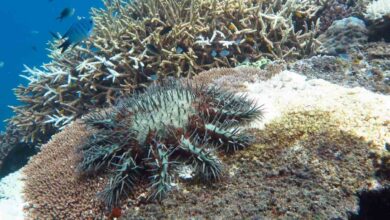
Targeted protection of large predatory fish has prevented a major ecological tipping point on Australia’s Great Barrier Reef, stopping runaway outbreaks of coral-eating crown-of-thorns starfish.
Once on the brink of collapse, U.S. fisheries have rebounded thanks to an unexpected partnership between commercial fishermen and environmental advocates that turned scarcity into sustainability and profit.
Chinook salmon have returned to the headwaters of Oregon’s Klamath River just one year after the final dam came down, reaching spawning grounds they had not seen in more than a century.
A new study reveals that the Chicago River is once again nurturing life: dozens of fish species are now successfully reproducing, indicating a significant recovery in water quality and ecosystem health.
The Chicago River, once heavily polluted, is showing strong signs of revival — more fish species, clean water projects, and even plans to swim downtown again mark real environmental recovery.
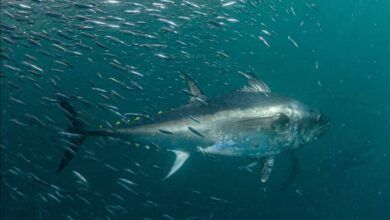
Cornwall’s seas in England are buzzing again. Atlantic bluefin tuna, once rare here, are now showing up every summer to feast and thrive.
For the first time in over a century, sockeye salmon are able to return to one of their native waterways: British Columbia's Okanagan Lake.