The Philippines will add 500,000 new households to its flagship anti-poverty programme after 1.4 million families improved their living conditions enough to graduate from government assistance.
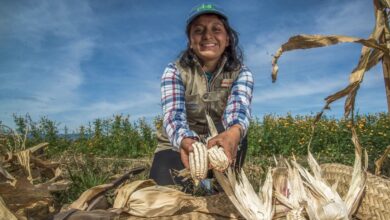
Nearly 60,000 farmers and producers in Mexico will receive debt forgiveness or reduced repayment plans, helping thousands regain financial stability and continue their livelihoods.
A new philanthropic fund is investing USD 140 million to accelerate the development of vaccines against Strep A, a disease responsible for hundreds of thousands of deaths each year worldwide.
Germany is providing up to €5 billion to help heavy industries cut carbon emissions with cleaner technology, supporting long-term industrial jobs and climate goals.
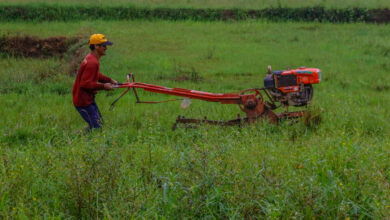
A new $1 billion initiative is set to support at least five million farmers in the Philippines, boosting productivity, incomes, and climate resilience across the country’s food system.
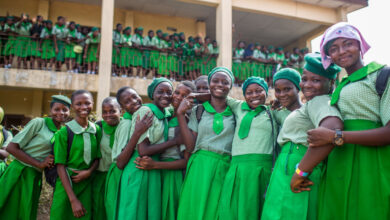
Nigeria has unlocked $552 million to strengthen basic education, accelerating nationwide reforms to improve learning, expand access and boost accountability across schools.
As a profound vote of confidence in the World Health Organization’s mission, its Member States have agreed to a 20% increase in their membership dues as they endorsed WHO’s 2026-27 budget of $4.2 billion.
The British government is investing more than $845 million in public buildings to upgrade them and cut long-term energy costs, in an effort to reduce emissions from public sector buildings by 75% by 2037, compared to a 2017 baseline.
The borough of Islington in north London, England uses a grant program to empower migrants and refugees, helping them not only build their future, but also integrate smoothly into their host society.
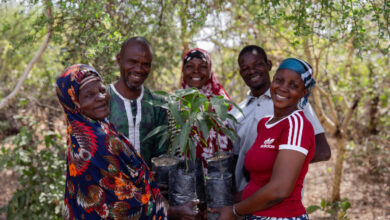
The Great Green Wall is one step closer to becoming a reality now that all efforts toward halting and reversing desertification in the Sahel by 2030 are properly tracked, evaluated, and funded.